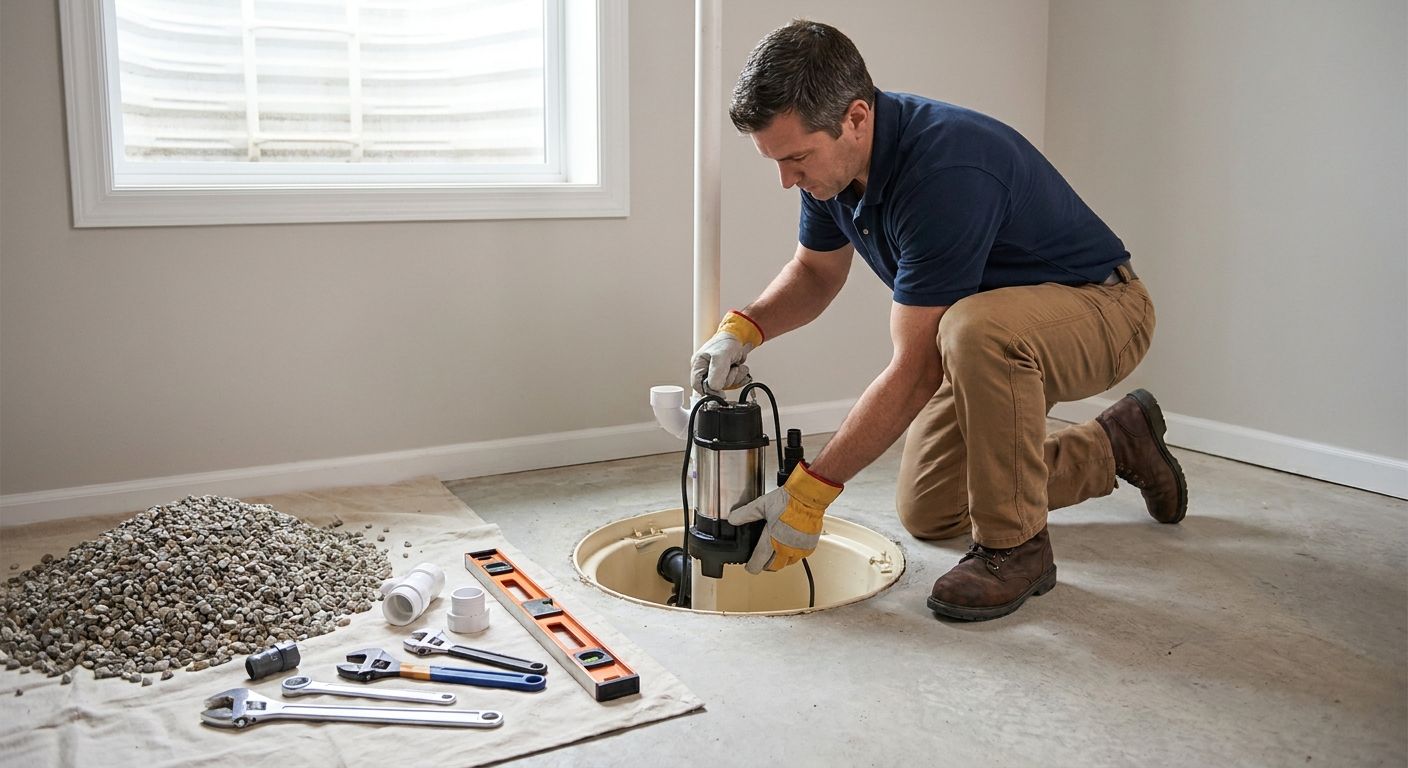
Sump pump installation for Middlesex, Monmouth, Ocean, and Union County homeowners moves groundwater out of the basement before it turns into standing water, and the goal is a dry foundation through Jersey's wet springs and nor'easter season. Coastal counties sit on higher water tables than inland towns, so the same pump that works fine in a Union County rancher can get overwhelmed in a Point Pleasant or Toms River basement during a three-day rain event.
- Sump pump installation needs a pit, a properly sized pump, a check valve, and a discharge line that actually drains — skip one and the system fails.
- Battery or water-powered backup matters more in Monmouth and Ocean County homes that lose power during nor'easters.
- A clogged storm drain or backed-up sewer lateral floods a basement even with a working sump pump — the two systems aren't the same fix.
- Statewide Sewer & Drain handles the drain and sewer side of flood prevention: storm drain clearing, video camera inspection, and 24-hour emergency response.
Why sump pump installation matters for New Jersey homeowners
Older housing stock in Matawan, Perth Amboy, and the rest of Middlesex County was often built with clay or cast iron drain lines that were never designed for today's storm volume. Add a high water table near the Raritan Bay and Barnegat Bay, and a basement without a working sump pump is just waiting for the next heavy rain to prove it.
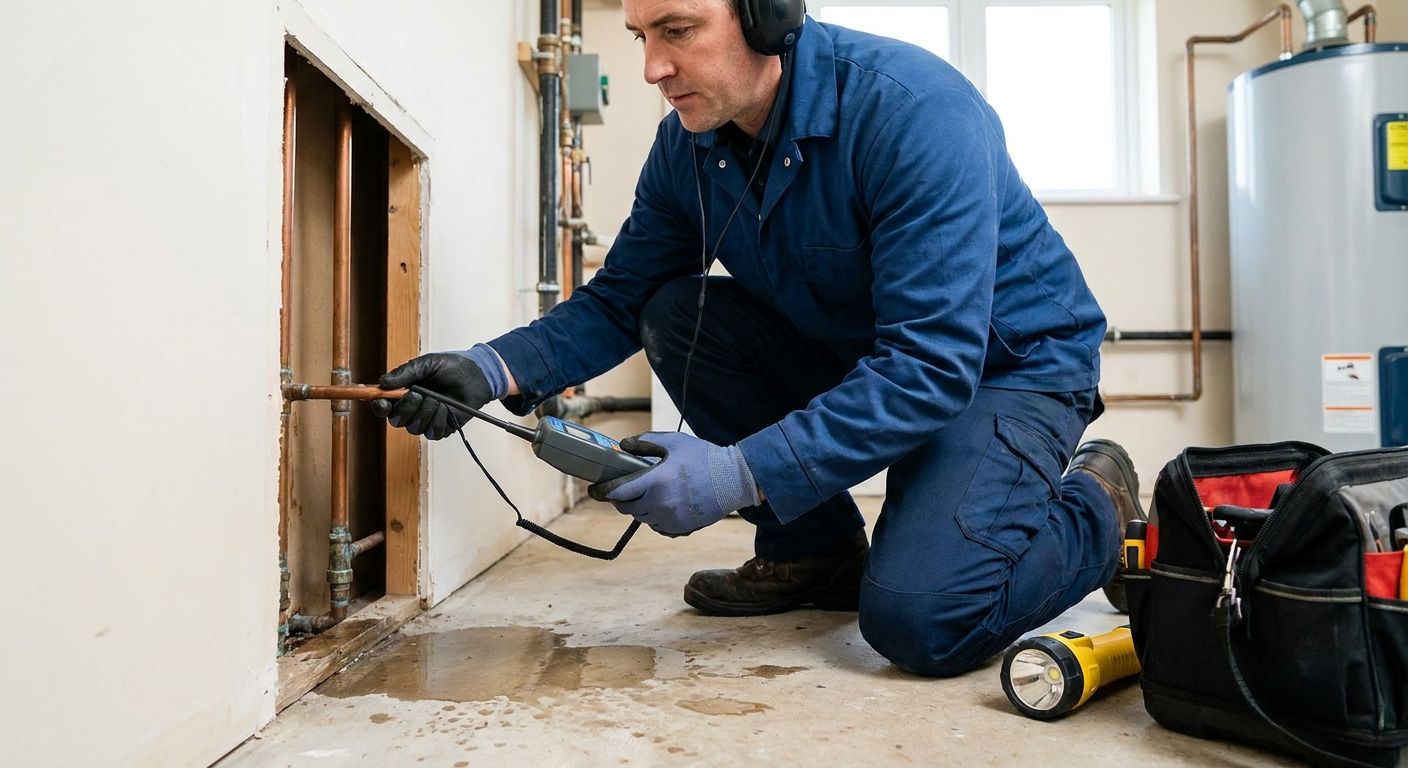
Homeowners in this region deal with two separate flood risks that get confused constantly: groundwater rising through the foundation, and drain or sewer water backing up through pipes. Sump pump installation only solves the first problem. The second one needs a Statewide Sewer & Drain inspection, not a bigger pump.
Assess your basement's flood risk
Before you spend on sump pump installation, confirm the basement actually needs one and figure out how bad the risk is.
- Check for musty odors, white mineral staining (efflorescence), or peeling paint on foundation walls
- Walk the yard grading — soil should slope away from the foundation, not toward it
- Confirm downspouts extend at least 4-6 feet from the house
- Look for an existing sump pit in the basement floor, even a dry one
- Note how close the home sits to a creek, bay, or drainage easement
Choose the right sump pump type
Sizing and pump type decide whether the system keeps up during a real storm in 2026 or just during a light drizzle.
- Submersible pumps sit inside the pit, run quieter, and handle debris better than pedestal models
- Pedestal pumps cost less to service since the motor sits above the pit, but they're noisier
- Match horsepower to pit inflow rate — a 1/3 HP pump handles average residential inflow, 1/2 HP or higher suits homes with a documented high water table
- Cast iron housing dissipates heat better than plastic for pumps that run long cycles
- Consider a dual-pump system (primary plus backup) for finished basements with real flood damage exposure
Size and place the sump pit correctly
A pump is only as good as the pit it sits in.
- Dig the pit at the lowest point of the basement floor, typically 18-24 inches deep and about 18 inches wide
- Line the base with a few inches of gravel for drainage before setting the pit liner
- Use a sealed lid to keep radon and humidity out of the living space
- Route a perimeter drain tile (French drain) into the pit if the basement floods along the walls rather than in one spot
Install the check valve and discharge line
This is where most sump pump installation jobs fail years later, and it's also where drain work outside the house matters as much as the pump itself.
- Install a check valve directly above the pump to stop water from flowing back into the pit between cycles
- Route the discharge line at least 10-20 feet from the foundation, away from the walkway or driveway
- Never tie the discharge line into the sanitary sewer line — most New Jersey municipalities prohibit it
- Slope the discharge pipe so it doesn't pool and freeze in winter
If that discharge line empties into a yard drain or storm line that's already slow from heavy rain, the pump can run non-stop and still lose the fight. If the discharge line is clogged, the sump pump doesn't matter. Hydro jetting for clogged storm drains after heavy rain clears that blockage with pressurized water instead of a snake that just pokes a hole through the clog.
“If the discharge line is clogged, the sump pump doesn't matter.”
Add battery backup or water-powered backup
Monmouth and Ocean County homes lose power during nor'easters more often than inland Union County towns, and that's exactly when a sump pump needs to run.
- A deep-cycle battery backup keeps the pump running for hours during an outage
- A water-powered backup pump uses municipal water pressure and needs no electricity at all
- A whole-house generator with an automatic transfer switch covers the pump plus everything else
- A smart pump monitor sends a phone alert if the pit level rises or the pump stops cycling
Test and maintain the system year-round
Sump pump installation isn't a one-time job — untested pumps fail at the worst possible moment.
- Pour a bucket of water into the pit every 3 months and confirm the float switch triggers
- Clean debris and sediment out of the pit twice a year
- Check battery backup charge level before hurricane season each year
- Inspect the check valve for a tight seal, not a slow drip-back
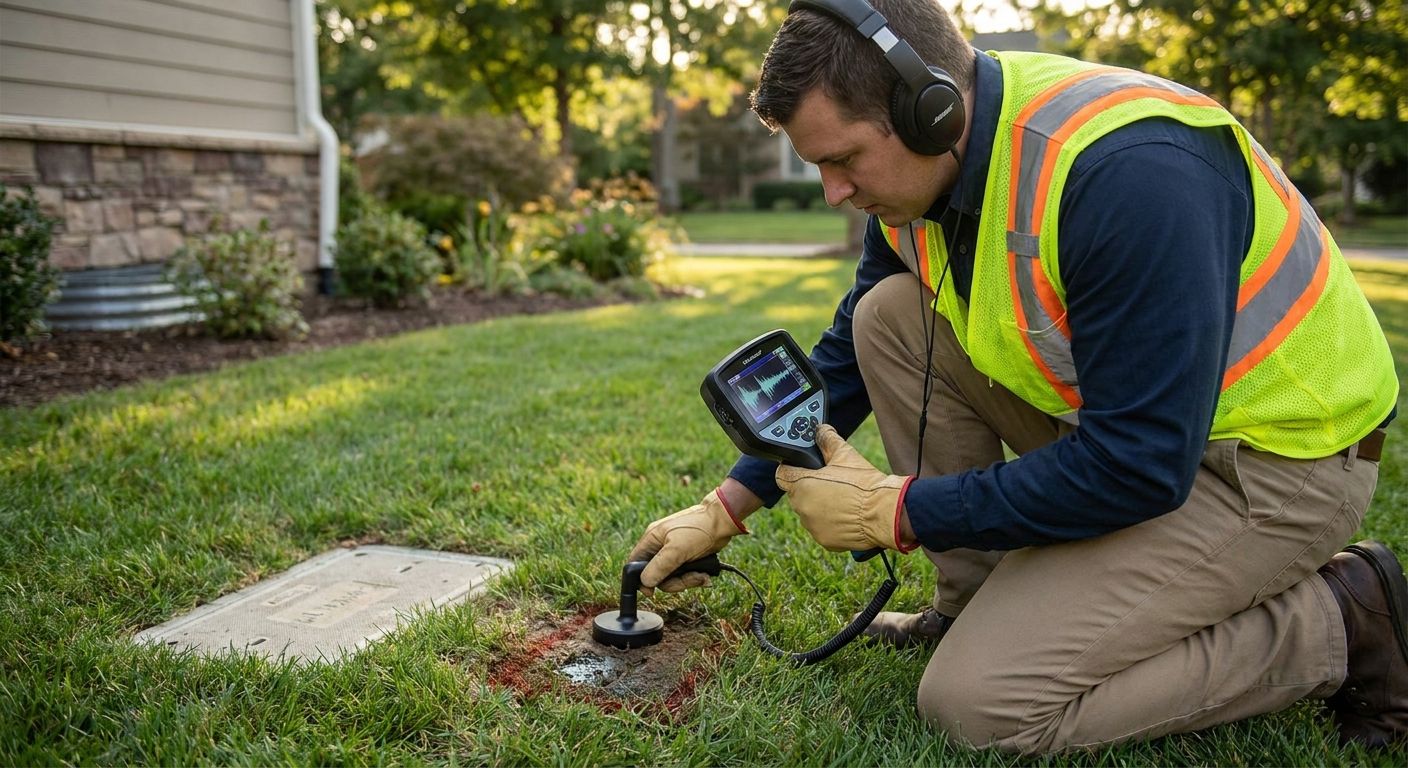
- Schedule a video camera inspection of nearby drain lines annually — a slow floor drain or a partially blocked line off to the side often looks like a pump problem but isn't
Storm coming and the pump isn't cutting it?
24-hour emergency response for Ocean County flooding and drain backups.
Know when the problem isn't the sump pump
Water coming up through a floor drain instead of the sump pit, or a sewage smell along with the water, points to a sewer or drain issue rather than groundwater. That's a different job entirely, and calling around for a reliable drainage company that can run a camera down the line beats guessing.
Comparing sump pump options for New Jersey basements
| Option | Best for | Key limitation |
|---|---|---|
| Pedestal pump | Basements with a shallow, small pit | Lower flow rate, motor exposed to humidity |
| Submersible pump | Most residential basements in 2026 | Motor replacement means pulling the whole unit |
| Battery backup pump | Homes that lose power during storms | Battery needs replacement every few years |
| Water-powered backup | Homes on municipal water with no electricity concern | Uses house water supply, adds to water bill during runtime |
| Dual-pump system | Finished basements or high-value belongings | Highest install cost, two units to maintain |
Common mistakes New Jersey homeowners make
- Routing the discharge line into a storm drain that floods first — the pump just recirculates the same water
- Skipping battery backup in Monmouth and Ocean County homes that lose power every nor'easter season
- Blaming the sump pump for a flood that's actually a clogged floor drain or partially blocked sewer lateral
- Never testing the pump until it fails mid-storm, when service calls take longest
- Installing one pump for a house with additions or split levels where groundwater enters at more than one low point
FAQ
What's the best sump pump for a New Jersey basement?
A submersible pump with a battery backup covers most Middlesex, Monmouth, Ocean, and Union County basements, since it handles higher water tables quietly and keeps running during power outages. Pedestal pumps work for shallow pits with lighter inflow.
Is a battery backup sump pump worth it in 2026?
Yes for coastal counties like Monmouth and Ocean, where nor'easters knock out power at the same time basements flood. A primary pump without backup is useless the moment the electricity cuts out.
Can a clogged storm drain cause basement flooding even with a sump pump installed?
Yes. If the discharge line or nearby storm drain is blocked, water backs up faster than the pump can move it out, and the basement floods anyway. Clearing the exterior drain line matters as much as the pump itself.
How often should a sump pump be tested?
Test the float switch every 3 months by pouring water into the pit, and check the battery backup charge before hurricane season each year. Untested pumps fail during the storm they're needed for most.
What's the difference between a sump pump and a French drain?
A sump pump actively removes water that's already collected in a pit, while a French drain (perimeter drain tile) redirects groundwater toward that pit before it pools against the foundation. Most flood-prone basements use both together.
Does homeowners insurance cover sump pump failure?
Standard homeowners policies often exclude groundwater flooding and sump pump failure unless you add a specific rider — check your policy directly, since coverage varies by carrier.
How long does sump pump installation take?
A standard install with an existing basement floor typically takes a few hours to a full day, depending on whether a new pit needs to be cut into concrete.
Why does my basement flood at the floor drain instead of the sump pit?
Water rising through a floor drain usually points to a slow or blocked drain or sewer line rather than groundwater, and a sump pump won't fix that. A video camera inspection finds the actual blockage.
One last thing
A surprising number of "sump pump failures" in Middlesex and Union County basements trace back to a blocked storm drain or sewer lateral outside the house, not the pump itself — a camera run down the line finds it in one visit instead of three service calls chasing the wrong problem. If it ain't flowing, that's the actual thing to fix first.