Tree roots and sewer pipes are a bad match in New Jersey's older neighborhoods, and picking the wrong repair method just buys you the same backup again in a year or two. Best overall: cured-in-place pipe (CIPP) lining for root intrusion in a structurally sound line. Best for a collapsed or crushed pipe: pipe bursting. Best budget/maintenance option: hydro jetting with mechanical root cutting. Best for a single bad joint: sectional point repair. Best for early-stage root hair growth: root foaming treatment.
- CIPP lining is the best trenchless sewer repair for tree roots when the host pipe is intact — it creates a new pipe inside the old one.
- Pipe bursting wins when roots have already collapsed or crushed the line, replacing it without a trench.
- Hydro jetting with root cutting clears roots fast but doesn't stop regrowth — treat it as maintenance, not a fix.
- Sectional point repair handles one bad joint without relining the whole run.
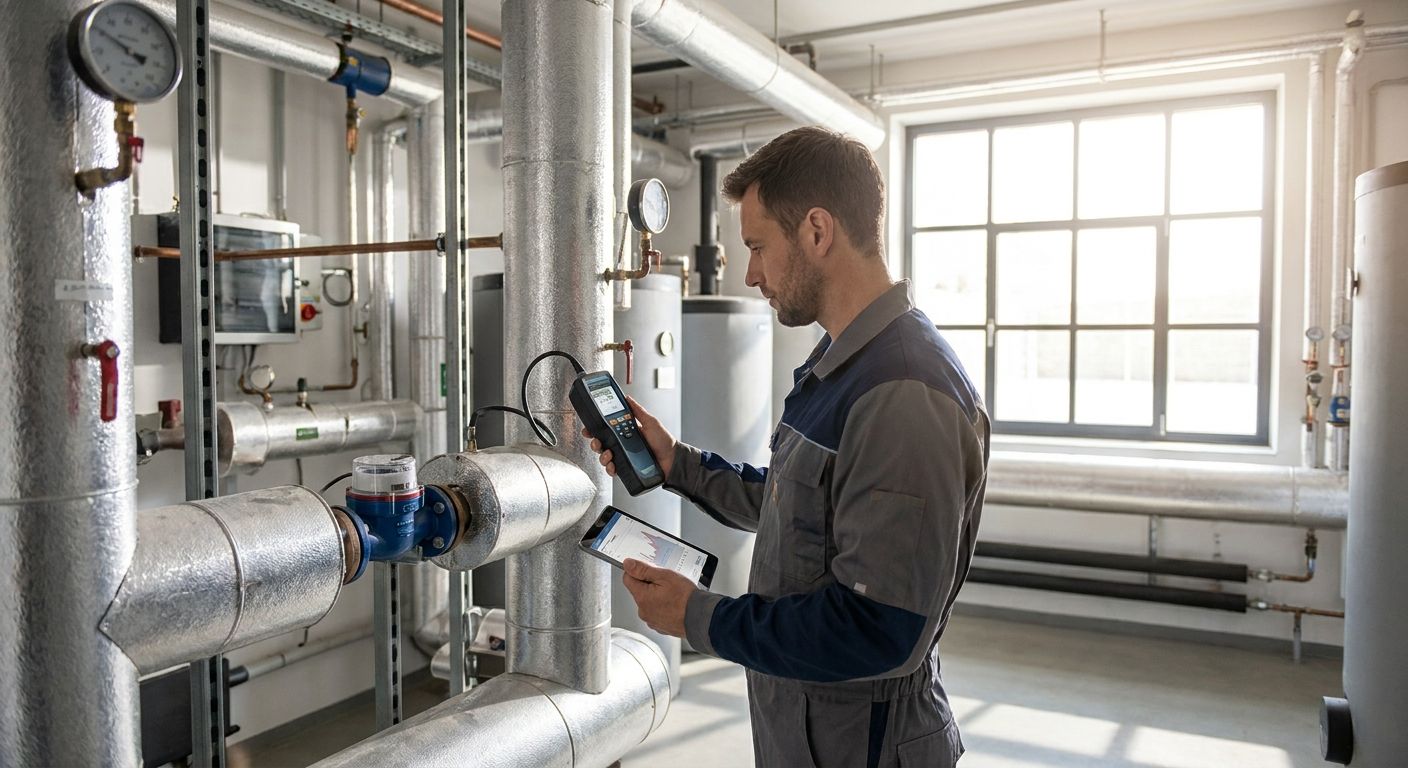
- A camera inspection always comes before picking a method — guessing wastes money in 2026 just like it did before.
Why this matters
Roots don't grow toward pipes because they're chasing water — they follow oxygen and moisture leaking out through a joint or hairline crack that's already compromised. Once a root finds that gap, it thickens every season, and by the time you see a slow drain or a sewage smell in the yard, the pipe underneath is usually further gone than the surface symptoms suggest.
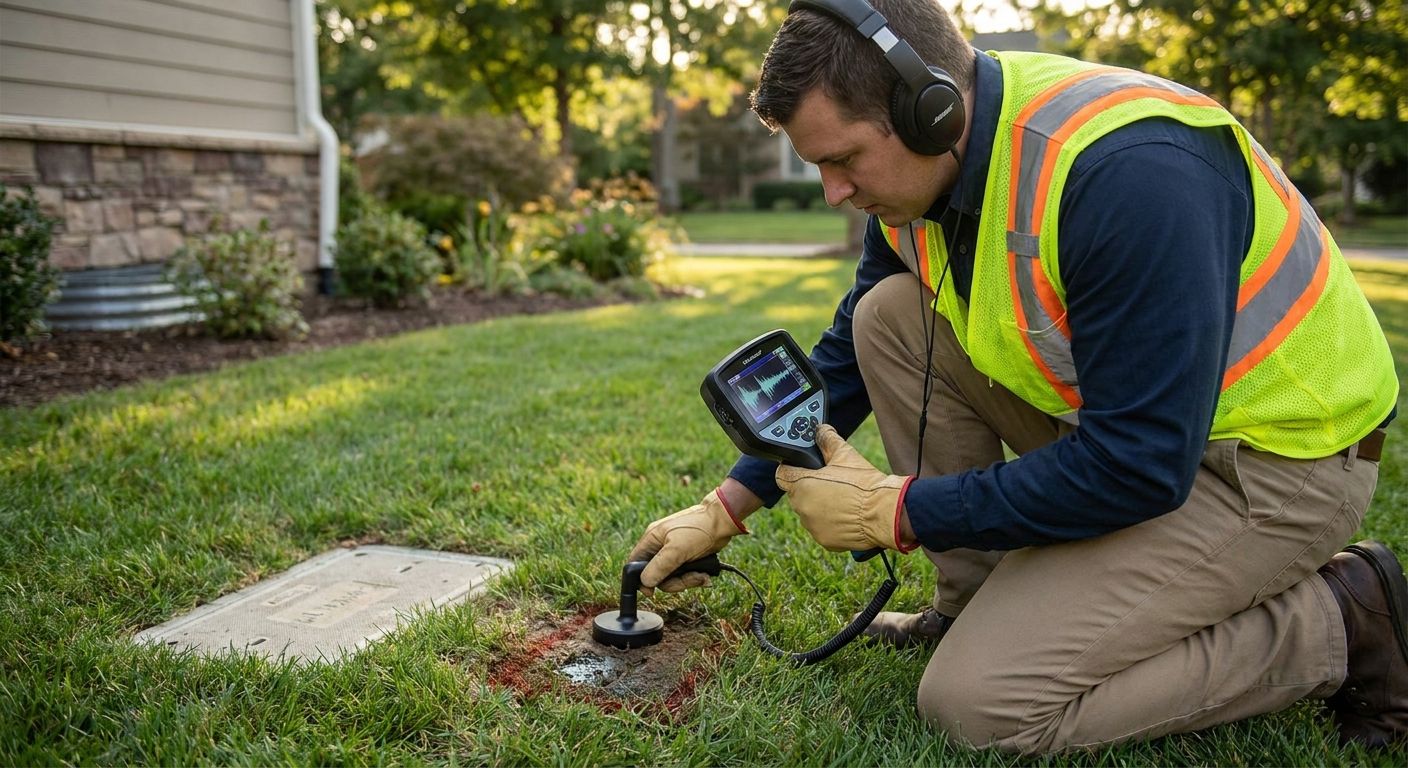
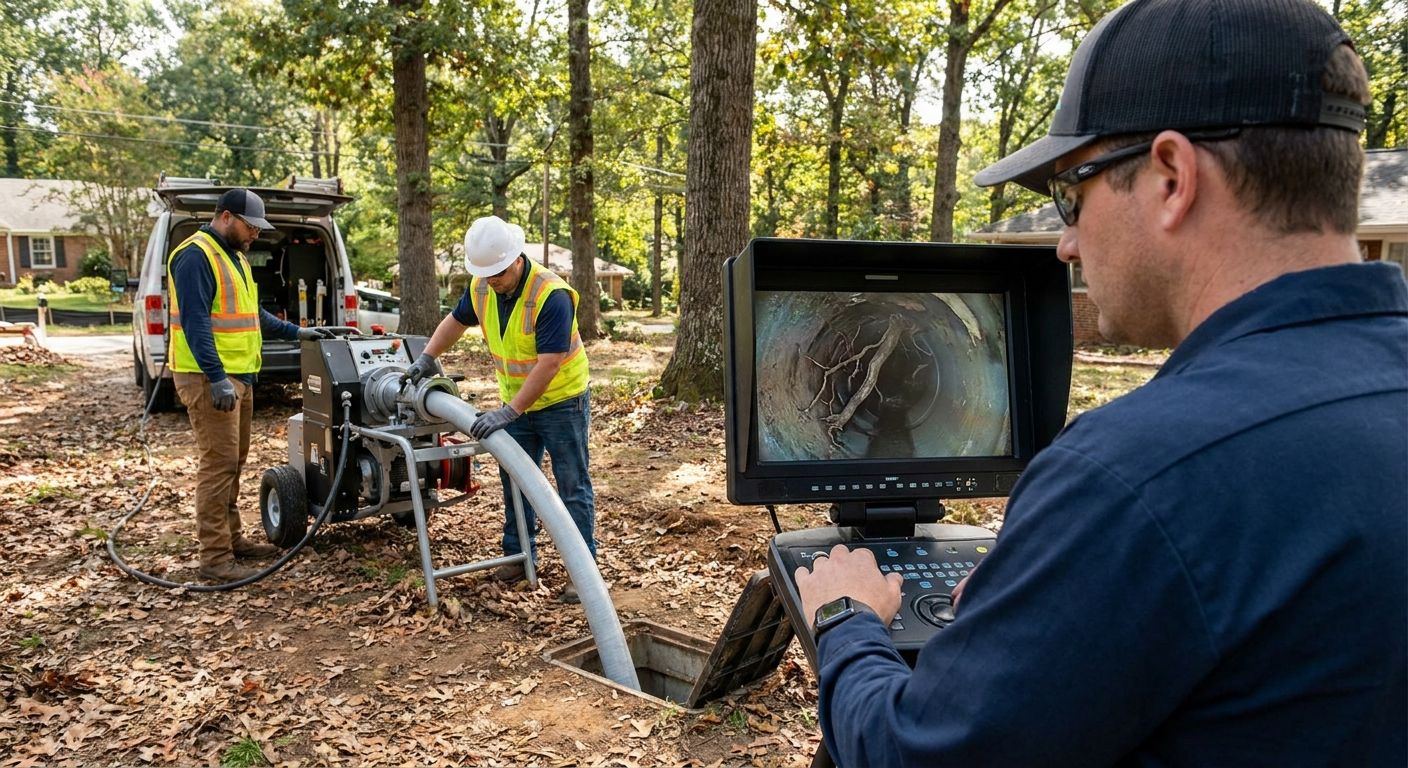
Older homes across Middlesex, Monmouth, Ocean, and Union counties still run on clay, Orangeburg, or cast-iron laterals from decades before PVC became standard, and those joints are exactly where mature trees find their opening. Statewide Sewer & Drain runs a camera down the line before recommending anything, because the same symptom — a gurgling drain, a slow main line — can mean three different repairs depending on where the roots actually got in.
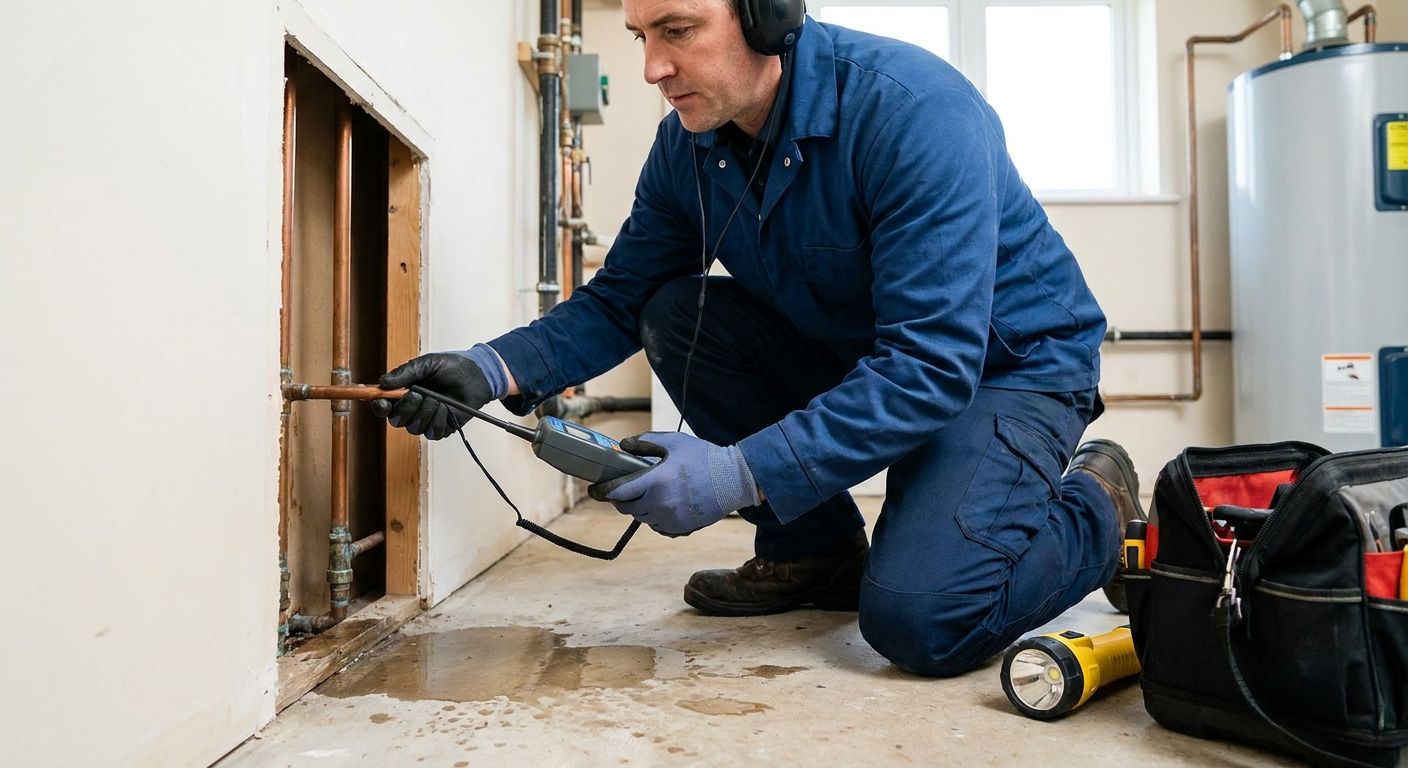
If you're already seeing water back up into a tub or floor drain, that's a separate problem from picking a repair method — handle the active backup first, then figure out the permanent fix.
What makes the best trenchless method for tree root damage
- Severity match — does it actually fix hairline root intrusion, or only work on a fully collapsed section?
- Structural result — does it install a new load-bearing pipe wall, or just clear the roots out and hope?
- Recurrence rate — how long before roots find their way back in?
- Real dig requirement — every method calls itself trenchless, but some still need access pits
- Diagnostic dependency — does it require a full camera inspection and line locate first, or can it be done blind?
- Pipe material fit — does it work on the clay and cast iron common in pre-1980s New Jersey construction?
Trenchless methods for tree root damage at a glance
| Method | Best for | Standout feature | Key limitation |
|---|---|---|---|
| CIPP lining | Moderate-to-severe roots, intact host pipe | New pipe forms inside the old one | Won't work on a fully collapsed section |
| Pipe bursting | Collapsed or crushed pipe | Full pipe replacement, no open trench | Needs access pits at both ends |
| Hydro jetting + root cutting | Recurring clogs, ongoing maintenance | Clears the line the same day, no cure time | Doesn't stop roots from regrowing |
| Sectional point repair | One damaged joint or short run | Fixes only the bad section | Useless if damage is spread across the line |
| Root foaming treatment | Early hair-root growth, prevention | Cheapest option, zero digging | Temporary — doesn't fix cracks or offsets |
1. CIPP lining: best trenchless repair for a pipe with intact walls
Cured-in-place pipe lining pulls a resin-saturated felt tube into the damaged pipe and cures it in place, forming a new seamless pipe inside the old one. It seals off every joint gap roots were using to get in, which is why it's the default recommendation once a camera inspection confirms the host pipe hasn't structurally failed.
CIPP lining pros:
- Seals every joint along the lined section, cutting off future root entry points
- No trench across the yard or driveway
- Works inside clay, cast iron, and Orangeburg pipe
CIPP lining cons:
- Requires a clean, root-free line before installation, so jetting usually comes first
- Won't hold up if the host pipe has already collapsed
- Pricing depends on run length and access; get a number after inspection rather than a phone quote
Best for: homeowners with root intrusion at multiple joints but a pipe that still holds its shape. Verdict: recommended as the default fix once the camera confirms the pipe is a candidate.
2. Pipe bursting: best trenchless method for a collapsed line
Pipe bursting pulls a bursting head through the old pipe, cracking it outward while a new pipe is pulled in behind it. It's the trenchless answer when the pipe itself is crushed, sagging, or bellied — situations where a liner has nothing solid left to bond to.
Pipe bursting pros:
- Handles pipe that's too damaged for lining
- Can upsize the pipe diameter during the same pull
- No pipe-material limitation the way CIPP has
Pipe bursting cons:
- Needs an access pit at each end, so it's not zero-dig
- Not a fit near shallow gas lines or other utilities in the same trench path
- More disruptive to landscaping than lining, even without a full open trench
Best for: a sewer lateral that roots have already crushed or sagged out of grade. Verdict: recommended when CIPP isn't structurally possible.
3. Hydro jetting with root cutting: best for ongoing maintenance, not a permanent fix
A hydro jetter blasts water at high pressure through the line, and a rotating cutting head shreds root masses on the way through. It's the fastest way to get flow restored the same day, which is why it's often the first call before any lining decision gets made.
Hydro jetting pros:
- Restores flow immediately, no curing or setting time
- Clears the line completely so a camera can actually see the pipe condition underneath
- No excavation of any kind
Hydro jetting cons:
- Doesn't seal the joint the roots are entering through, so they grow back
- Not a structural repair — it's diagnostic and maintenance work
- Needs repeating on an interval if the underlying joint damage isn't addressed
Best for: clearing a line to get an accurate camera read, or as a scheduled maintenance step on a line with known minor root activity. Verdict: recommended as a first step, not as the final repair.
4. Sectional point repair: best for one bad joint, not a whole-line problem
Sectional point repair installs a short cured-in-place patch over a single damaged joint or crack instead of relining the entire run. It's the right call when a camera inspection shows root intrusion is isolated to one spot rather than spread across multiple joints.
Sectional repair pros:
- Fixes exactly the damaged section, nothing more
- Faster turnaround than a full-length liner
- Lower material cost since it covers less pipe
Sectional repair cons:
- Only works if the camera confirms the damage really is localized
- If roots show up at a second joint later, that's a separate repair
- Not suited to a line with distributed cracking
Best for: a single confirmed root intrusion point on an otherwise sound line. Verdict: recommended when the camera shows one clean problem spot.
5. Root foaming treatment: best for prevention before damage sets in
A foaming root treatment coats the inside of the pipe with a chemical that kills root growth on contact without harming the tree itself. It's the least invasive option on this list, and it works best as prevention on a line with early hair-root growth rather than as a repair for a line that's already cracked.
Root foaming pros:
- No digging, no access pits, no cure time
- Can be applied on a maintenance schedule alongside jetting
- Cheapest trenchless option available
Root foaming cons:
- Doesn't fix an existing crack, offset, or collapsed section
- Effect wears off, so it's a repeat treatment, not a one-time fix
- Won't stop water intrusion if the pipe joint is already open
Best for: a line with mild hair-root activity and no confirmed structural damage yet. Verdict: recommended as prevention, skip it if the camera already shows cracked pipe.
Get a camera inspection before you pick a method
Confirm root damage severity before paying for the wrong trenchless repair.
How this ranking works
Each method above is ranked against the same six criteria: severity match, structural result, recurrence rate, real dig requirement, diagnostic dependency, and fit for the clay and cast-iron pipe common across Middlesex, Monmouth, Ocean, and Union counties. None of these five methods compete for the same job — a line that needs bursting was never a lining candidate to begin with, and a line that just needs foaming never needed bursting.
Which trenchless method should you choose?
If the camera inspection shows an intact pipe with root intrusion at several joints, CIPP lining is the call in 2026 the same way it's been the industry standard for over a decade. If the pipe has already collapsed or sagged, skip straight to pipe bursting — lining has nothing solid to bond to on a crushed section. Undecided homeowners with a slow-draining line and no inspection yet should start with hydro jetting, because it clears the pipe enough for an accurate camera read before any repair decision gets made.
“If jetting clears a line and the roots come back within months, the problem was never the roots — it's the joint they're getting in through.”
FAQ
What is the best trenchless sewer repair method for tree root damage?
CIPP (cured-in-place pipe) lining is the best trenchless method for tree root damage when the host pipe is structurally intact, because it seals every joint the roots were using to get in. On a collapsed or crushed pipe, pipe bursting is the better fit.
Is CIPP lining better than pipe bursting for root damage?
CIPP lining is better when the pipe still holds its shape and just has root intrusion at the joints. Pipe bursting is better once the pipe itself has collapsed, sagged, or crushed, since a liner needs a solid surface to bond to.
Does hydro jetting fix root damage or just clear it?
Hydro jetting clears roots out of the pipe but doesn't repair the joint or crack they entered through, so it's maintenance, not a permanent fix. Roots typically return unless the underlying joint gets lined or repaired.
How much digging does trenchless sewer repair actually require?
CIPP lining and root foaming require no trench at all. Pipe bursting needs a small access pit at each end of the run, which is still far less disruptive than digging up the full pipe path.
Can tree roots grow back through a CIPP liner?
A properly cured CIPP liner seals the joints roots were entering through, so regrowth in the lined section is rare. Roots can still find a new entry point outside the lined area if the rest of the line has aging joints.
How do you know which trenchless method your sewer line needs?
A video camera inspection is the only reliable way to tell — it shows whether the pipe is intact with isolated root intrusion, collapsed, or just carrying early hair-root growth. Guessing based on symptoms alone often leads to paying for the wrong repair.
Is trenchless sewer repair cheaper than digging up the yard?
Trenchless methods generally cost less than full excavation once you factor in landscaping, driveway, or hardscape restoration after a dig. The exact number depends on pipe length and access, which is why pricing follows the inspection rather than a phone quote.
Do all these methods work on clay and cast-iron pipe?
CIPP lining, pipe bursting, hydro jetting, and root foaming all work on clay, Orangeburg, and cast-iron laterals common in older New Jersey homes. The pipe material matters less than its current condition, which is why the camera inspection comes first.
One last thing
Roots don't seek out sewer pipes for the water sitting inside them — they're chasing oxygen and moisture escaping through a joint that's already open. A line that stays root-free year after year with routine jetting almost always has sound joints; it's the line where roots come back within a few months that's telling you the real problem is the pipe, not the tree.