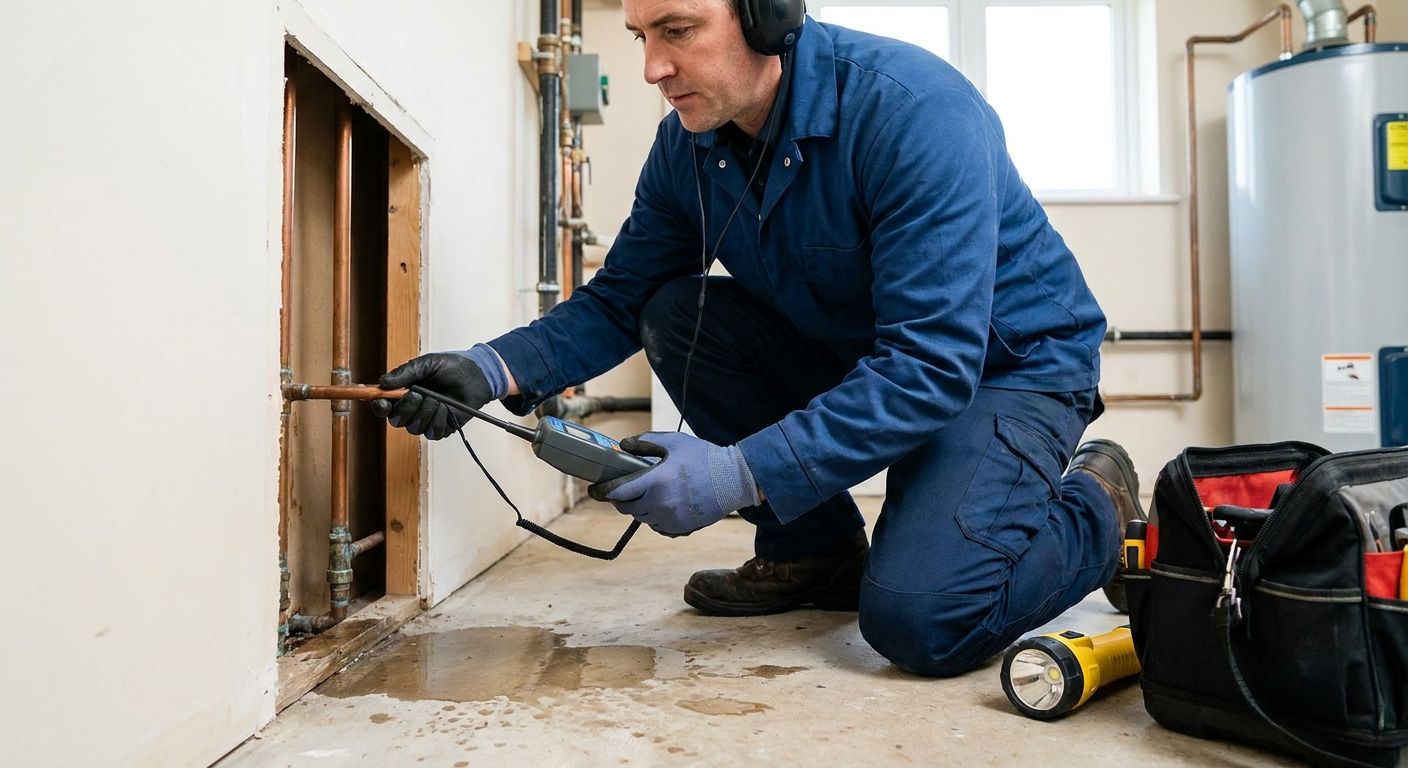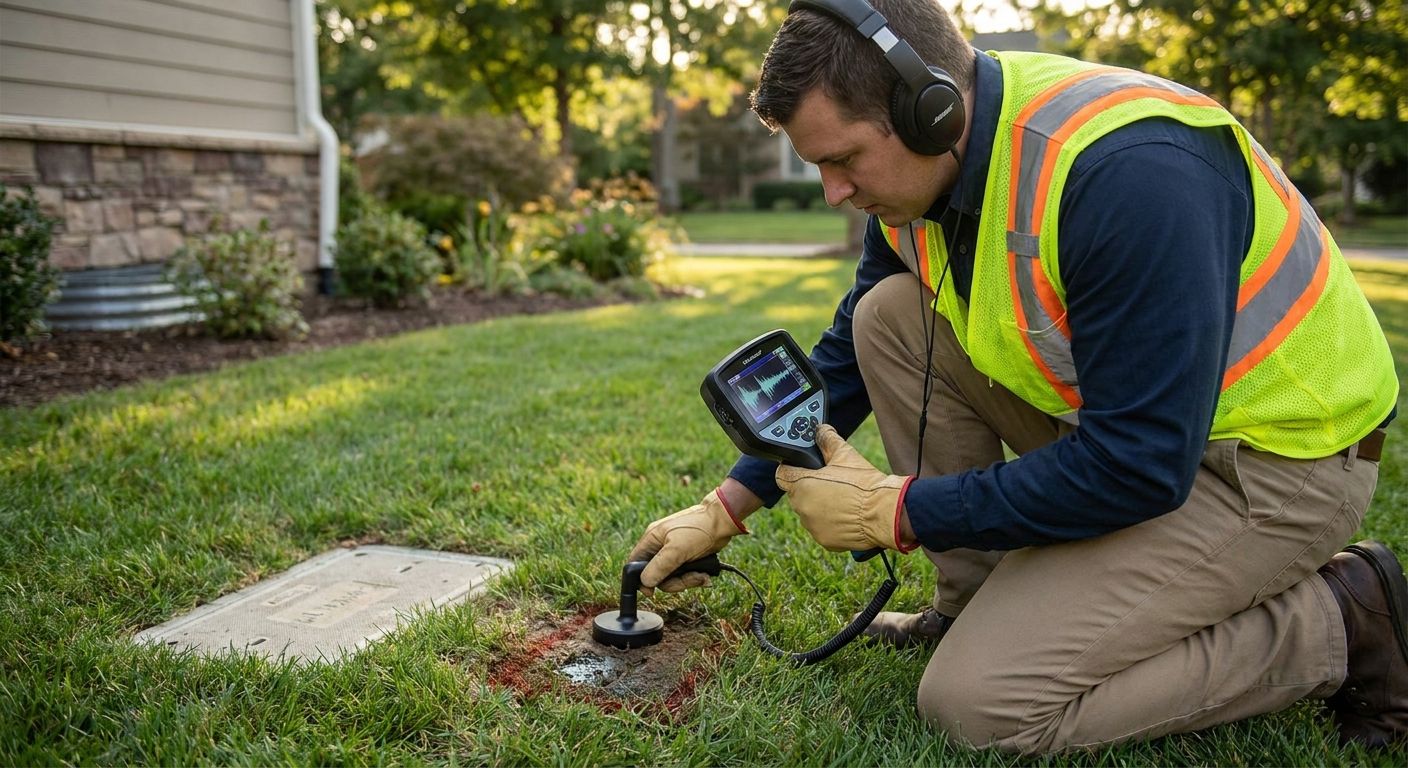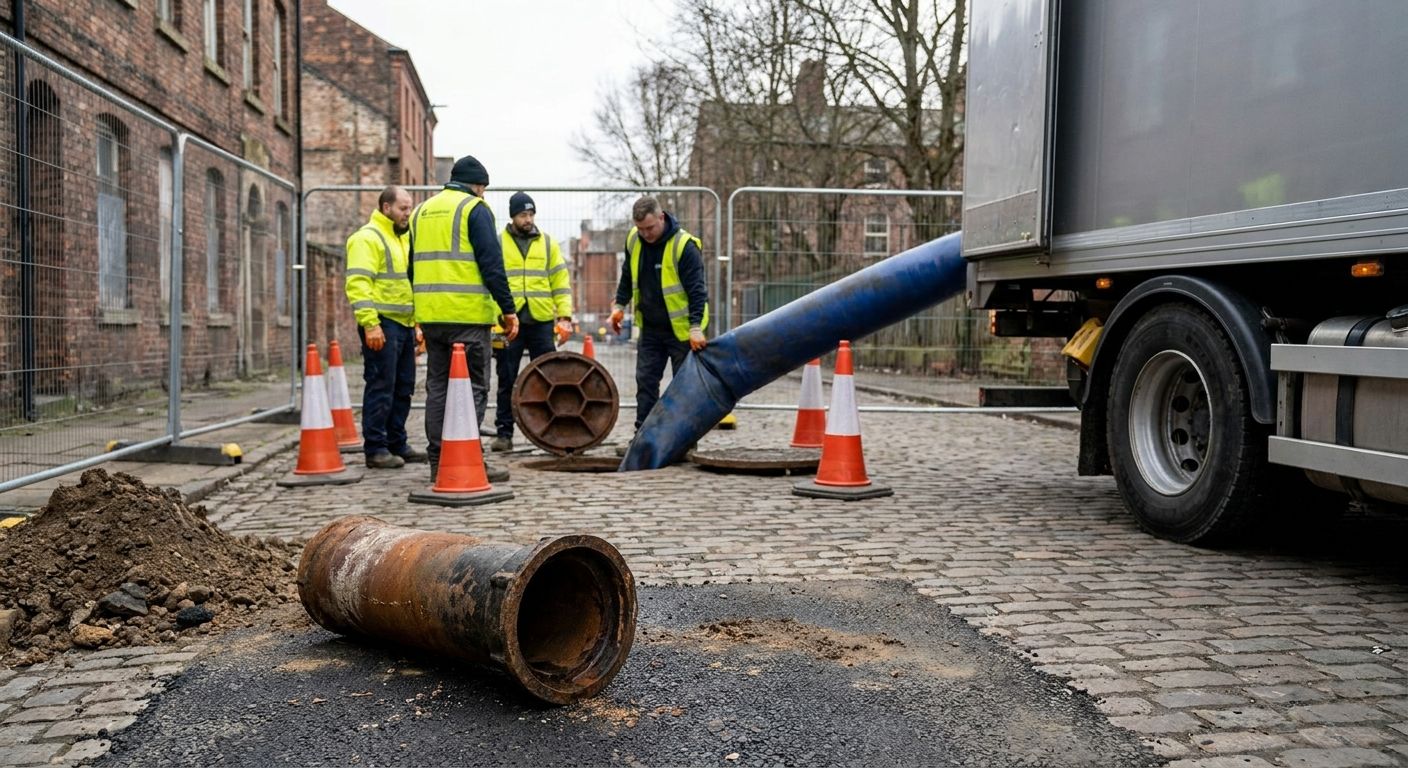
Homeowners with aging sewer infrastructure across Middlesex, Monmouth, Ocean, and Union counties are dealing with clay and cast iron laterals laid before 1970, and cured in place pipe lining is the trenchless repair method built to fix that pipe without digging up the yard. This segment's pipe doesn't fail like modern PVC does - clay pipe cracks at the joint every 3 to 4 feet, and cast iron corrodes from the inside out until roots and scale narrow the line to a trickle. That difference changes which repair method actually makes sense.
- Cured in place pipe lining repairs cracked clay or cast iron sewer laterals without digging up the yard in 2026.
- Statewide Sewer & Drain runs camera inspection and hydro jetting before recommending CIPP lining or excavation.
- CIPP liners carry a design life near 50 years under ASTM F1216, longer than most pre-1970 clay pipe.
- Point repair costs less than full lining but only fixes an isolated crack, not root damage at every joint.
- Homes near mature trees in Monmouth and Ocean counties see the fastest root regrowth after a cheap patch job.
Why cured in place pipe lining matters for aging sewer infrastructure
A lot of Middlesex and Union County housing stock went in during the postwar boom, and the sewer laterals under those lawns are original. Clay tile pipe was standard through the 1960s, and cast iron ran into the 1970s in some towns. Both materials are now past 50 or 60 years old, which is exactly the window where joint separation, root intrusion, and pitting corrosion start showing up as slow drains and recurring backups.
This segment's search behavior gives it away - homeowners aren't typing "how to unclog a drain," they're asking why the same main sewer line keeps backing up after three snaking visits. That repeat-failure pattern is the signature of a structural pipe problem, not a clog problem, and it's the reason CIPP lining exists as a category.
Verdict: cured in place pipe lining is the right call for aging pipe that's cracked, offset, or root-invaded but hasn't collapsed - full excavation is for pipe that has.
Inspect the line with a video camera before choosing a repair method
You can't size a liner, price a point repair, or rule out excavation without seeing the pipe first. Skipping this step is the single most common reason CIPP jobs get misquoted.
- Rent a pipe inspection camera from a tool rental shop if you want to look yourself, though footage quality and depth range are limited on consumer units
- Ask any licensed plumber for a camera inspection with recorded footage, not just a verbal summary
- Run a dye test down a cleanout to confirm whether water is exiting the pipe at all before paying for a full scope
- Note the footage counter readings where cracks, offset joints, or root masses show up so repair length can be calculated later
Diagnose the pipe material and age
Knowing what you're dealing with changes the whole repair conversation. Clay and cast iron behave differently under a liner, and cast iron corrosion sometimes needs mechanical cleaning that clay doesn't.
- Check your county's building permit records for the original construction date of the home
- Look at the pipe visible at the basement cleanout or crawlspace - clay is reddish-orange and segmented, cast iron is dark gray and continuous
- Ask a plumber to confirm material and wall thickness from the camera footage rather than guessing off the exposed section
- Cross-reference the diagnosis with the age of neighboring homes on the same street, since municipal sewer mains and lateral tie-ins from the same era usually share the same failure timeline
Clear the line with hydro jetting before lining
A liner bonds to the inside wall of the existing pipe, so that wall has to be clean first. Root mats, grease buildup, and scale all block adhesion if they're not removed.
- A manual auger or drain snake clears a path through soft blockages but leaves root fragments and scale on the pipe wall
- Chemical root foam sold at hardware stores slows regrowth for a few weeks but doesn't restore the full pipe diameter
- Hydro jetting uses high-pressure water to strip the pipe wall down to bare material, which is the standard prep step before any CIPP install
- Statewide Sewer & Drain runs hydro jetting as a standalone service for lines that just need cleaning, and as the required prep step before lining a line that needs a liner
Decide between full CIPP lining, point repair, and excavation
Not every aging pipe needs the same fix. A single crack in an otherwise sound run doesn't need the same treatment as a lateral with five failed joints.
- Point repair works when camera footage shows one isolated crack or break and the rest of the run is structurally sound
- Full CIPP lining works when multiple joints along the run show separation, offset, or root intrusion but the pipe hasn't collapsed
- Excavation is the fallback when the pipe has bellied, collapsed, or lost enough diameter that a liner won't seat properly
- Pipe bursting is worth pricing out separately when the existing pipe is undersized for current code and needs to be replaced at a larger diameter
Size the liner correctly for your pipe diameter and run length
A liner that's undersized won't seal against the host pipe wall, and one that's oversized won't cure evenly. This step is where camera footage and measurements from step one get used.
- Confirm the internal diameter of the existing pipe at multiple points along the run, since older clay pipe sometimes varies slightly
- Measure total run length from cleanout to the municipal tie-in or septic connection
- Factor in any bends - most CIPP liners handle gentle bends but sharp 90-degree turns may need a point repair or spot excavation instead
- Confirm the liner resin is rated for the pipe's exposure - some residential laterals run under driveways with different load requirements than a lawn run
Schedule the install and cure time around your household or business
CIPP is faster than excavation but it still takes the line out of service for part of a day. Planning around that avoids an inconvenient surprise.
- Ask what curing method will be used - hot water, steam, or UV light - since cure time varies by method and liner thickness
- Plan for the property's water and sewer use to be limited during the cure window
- For commercial customers, schedule the install during off-hours or a slower business day to limit disruption
- Confirm access points (existing cleanouts) are usable so the crew isn't cutting new access holes unnecessarily
Verify the repair with a post-install camera pass
A liner that looks fine from the access point can still have a wrinkle, an air pocket, or an incomplete cure further down the run. A post-install camera pass confirms the job before anyone signs off.
- Request footage of the full liner length, not just the access point
- Check for smooth, continuous wall texture with no visible wrinkling or gaps at joints
- Confirm lateral connections (branch lines) were reinstated if the original pipe had any
- Keep the footage on file - it's useful documentation if the home sells before the liner's rated life is up
Maintain the new liner past the point where old habits caused failure
A CIPP liner removes the structural problem, but it doesn't change what goes down the drain. The habits that wore out the original clay or cast iron pipe can still cause new clogs inside a perfectly sound liner.
- Keep grease, wipes, and root-attracting waste out of the line the same as before
- Schedule a camera check every few years rather than waiting for a backup to find out something changed
- Address any tree planting near the lateral route before roots have another 50 years to find a joint
- Keep hydro jetting on a maintenance schedule rather than reactive-only, since a clean liner interior lasts longer than one caked with buildup
Comparing your repair options
| Repair Option | Best For | Key Limitation |
|---|---|---|
| Cured in place pipe lining (CIPP) | Aging clay or cast iron lines with cracks, offset joints, or root intrusion but an intact overall shape | Won't seat properly if the pipe has collapsed or lost significant diameter |
| Point repair | A single isolated crack or break in an otherwise sound run | Doesn't address root intrusion or corrosion elsewhere in the line |
| Pipe bursting | Pipe that's collapsed, bellied, or undersized for current code | Requires access pits at both ends, less practical on tight urban lots |
| Full excavation and replacement | Structural collapse or when the pipe grade itself needs to change | Most disruptive option - lawn, driveway, or hardscape gets dug up |
Get your line scoped before you decide
Camera inspection tells you if lining, point repair, or excavation is the right call.
Common mistakes aging-infrastructure homeowners make
- Patching one crack and ignoring the rest of the run. Clay pipe installed in the same decade fails at roughly the same rate - fixing one joint while four more are just as brittle just delays the next call.
- Skipping the camera inspection and going straight to a root killer. Chemical treatments slow root regrowth in clay pipe but do nothing for cast iron corrosion or an offset joint.
- Treating a slow drain as a fixture problem. A sluggish tub or sink upstairs is sometimes root intrusion 40 feet down the lateral, not a local clog.
- Waiting for a full backup instead of scheduling an inspection at the first slow drain. By the time water is backing into a basement, the repair window has narrowed and the price has gone up.
- Picking the cheapest bid without asking for camera footage first. A point repair quote without footage behind it is a guess, not a diagnosis.
FAQ
What is cured in place pipe lining?
Cured in place pipe lining (CIPP) is a trenchless repair method where a resin-saturated liner is inserted into an existing damaged pipe and cured in place, forming a new pipe within the old one. It fixes cracks, offset joints, and root-damaged clay or cast iron pipe without excavation.
How long does CIPP pipe lining last?
CIPP liners carry a design life of around 50 years under the ASTM F1216 standard used across the industry. That's often longer than the clay or cast iron pipe it's installed inside of, which is already decades old in most Middlesex and Union County homes.
Is cured in place pipe lining better than digging up the pipe?
For pipe that's cracked, offset, or root-invaded but hasn't collapsed, CIPP lining avoids tearing up the lawn or driveway that full excavation requires. Excavation is still the better call when the pipe has structurally collapsed or lost significant diameter.
How much does CIPP lining cost compared to excavation?
Cost depends on pipe length, diameter, access points, and how much cleaning the line needs before lining, so get a quote based on actual camera footage rather than a flat estimate. Excavation typically runs higher once landscaping, driveway, or hardscape restoration gets factored in.
Can CIPP lining fix root intrusion?
Yes, once the root mass is cleared with hydro jetting, the liner seals the joint or crack the roots were entering through, which stops regrowth at that point. Root intrusion at other unlined joints in the same run can still happen, which is why full-run lining is often recommended over a single point repair.
How long does a CIPP liner take to cure?
Cure time depends on the method used - hot water and steam curing typically take a few hours, while UV-light curing is faster. The exact window depends on liner thickness and pipe diameter.
Do I need a permit for cured in place pipe lining in New Jersey?
Most New Jersey municipalities require a permit for sewer lateral work, including CIPP lining, since it involves the connection to the municipal system. Check with your local building department before scheduling the install.
Is cured in place pipe lining safe for cast iron pipe?
Yes, CIPP lining works on cast iron as long as the pipe hasn't corroded through or lost structural integrity - camera inspection confirms that before lining. Heavily corroded cast iron with pitting all the way through the wall usually needs point repair or replacement instead.
One last thing
The ASTM F1216 standard that governs CIPP liner design rates most installed liners for a 50-year service life - which means a liner installed in 2026 in a Monmouth County lateral built in the 1960s will likely outlast the original clay pipe it's protecting by a wide margin. That's the actual selling point of lining over patching: it's not just faster, it resets the clock on the whole run instead of one joint.
If you're still weighing options after an emergency backup rather than a planned inspection, start with what actually happened - review how to respond to a sewer backup emergency before scheduling any repair, since the immediate response affects what a camera inspection can even show.