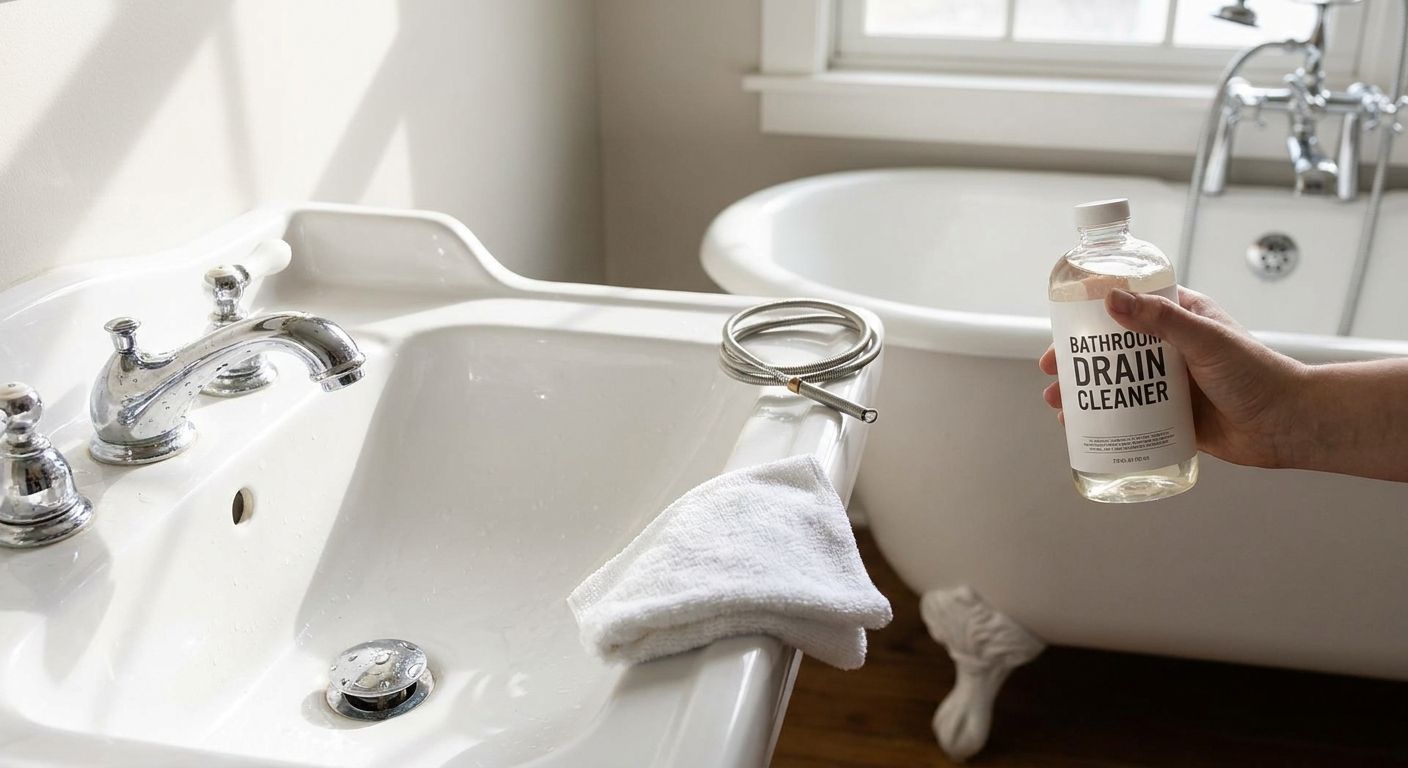
Bathroom drain cleaning for sinks and tubs clears the hair, soap scum, and toothpaste sediment that pack into the trap and trap arm, restoring full flow without corroding pipe or cracking a seal. Homeowners searching for a bathroom drain cleaner in 2026 usually have one of two problems: a tub that drains slower every week, or a sink that gurgles right before it clogs solid — and the fix depends on which one you've got.
- A flexible zip tool clears most bathroom sink and tub clogs; chemical drain cleaner corrodes older pipe without touching solid buildup.
- Statewide Sewer & Drain recommends hydro jetting only after DIY methods fail or a clog returns within weeks.
- Video camera inspection finds the exact blockage before you pay for repeat service calls in 2026.
- Skip caustic bathroom drain cleaner on cast iron or galvanized pipe common in older homes across Middlesex, Monmouth, Ocean, and Union counties.
Why bathroom drain cleaning matters for homeowners
Bathroom sinks and tubs clog differently than kitchen drains or main sewer lines. Hair, soap scum, and toothpaste bind into a dense mat right at the trap bend, and that mat traps water instead of blocking it outright — so a bathroom drain rarely backs up all at once. It slows down over weeks until one morning it doesn't drain at all.
Homeowners in Middlesex, Monmouth, Ocean, and Union counties deal with a mix of pipe ages: newer PVC in remodeled bathrooms, and original cast iron or galvanized steel in homes built before the 1970s. That mix matters because the wrong bathroom drain cleaner can eat through an old pipe wall in a handful of uses. Statewide Sewer & Drain sees both pipe types on service calls across the four counties, which is why the fix for a slow tub drain in a 1960s ranch isn't the same fix as a two-year-old bathroom renovation.
Clearing a bathroom sink or tub drain step by step
Clearing a bathroom sink or tub drain in 2026 follows the same order every time: start manual, move to chemical-free tools, and only call a professional when the clog keeps coming back or sits past the trap.
Clear the visible clog by hand
- Remove the drain stopper or pop-up assembly first
- Pull visible hair and soap scum out with a gloved hand or needle-nose pliers
- Wipe the underside of the stopper — this is where most tub clogs actually start
- Run hot water for 30 seconds to check whether flow improved
Flush with hot water and a baking soda-vinegar rinse
- Pour half a cup of baking soda down the drain
- Follow with half a cup of white vinegar and let it fizz for 10 to 15 minutes
- Chase it with a kettle of hot, not boiling, water on PVC lines
- Repeat once if the drain is still slow, then move to the next step if it isn't clear
Snake the drain with a zip tool
- Insert a flexible plastic zip tool 8 to 12 inches into the drain
- Twist and pull slowly — don't force it past resistance
- Clear hair and debris off the barbs before reinserting
- Stop and switch methods if you feel a hard stop past the trap bend
Pull and clean the pop-up stopper
- Unscrew or unclip the stopper depending on the mechanism
- Scrub the pivot rod, where hair wraps tightest
- Rinse under running water before reinstalling
- Check that it seats and seals fully — a loose stopper lets debris back into the trap
Check the P-trap for buildup
- Place a bucket under the trap before opening it
- Loosen the slip nuts by hand or with channel-lock pliers
- Clear out the U-bend — this is where most standing clogs actually sit
- Reseal with the original washers, hand-tight plus a quarter turn
Skip caustic chemical drain cleaner on older pipe
- Read the label — most retail drain cleaners warn against repeated use
- Avoid pouring chemical cleaner into cast iron or galvanized pipe common in pre-1970s homes
- Never mix chemical cleaner with a plunger — trapped fumes can splash back at you
- If you've already used one, flush the line thoroughly before trying a mechanical method
Call a professional for hydro jetting or a camera inspection
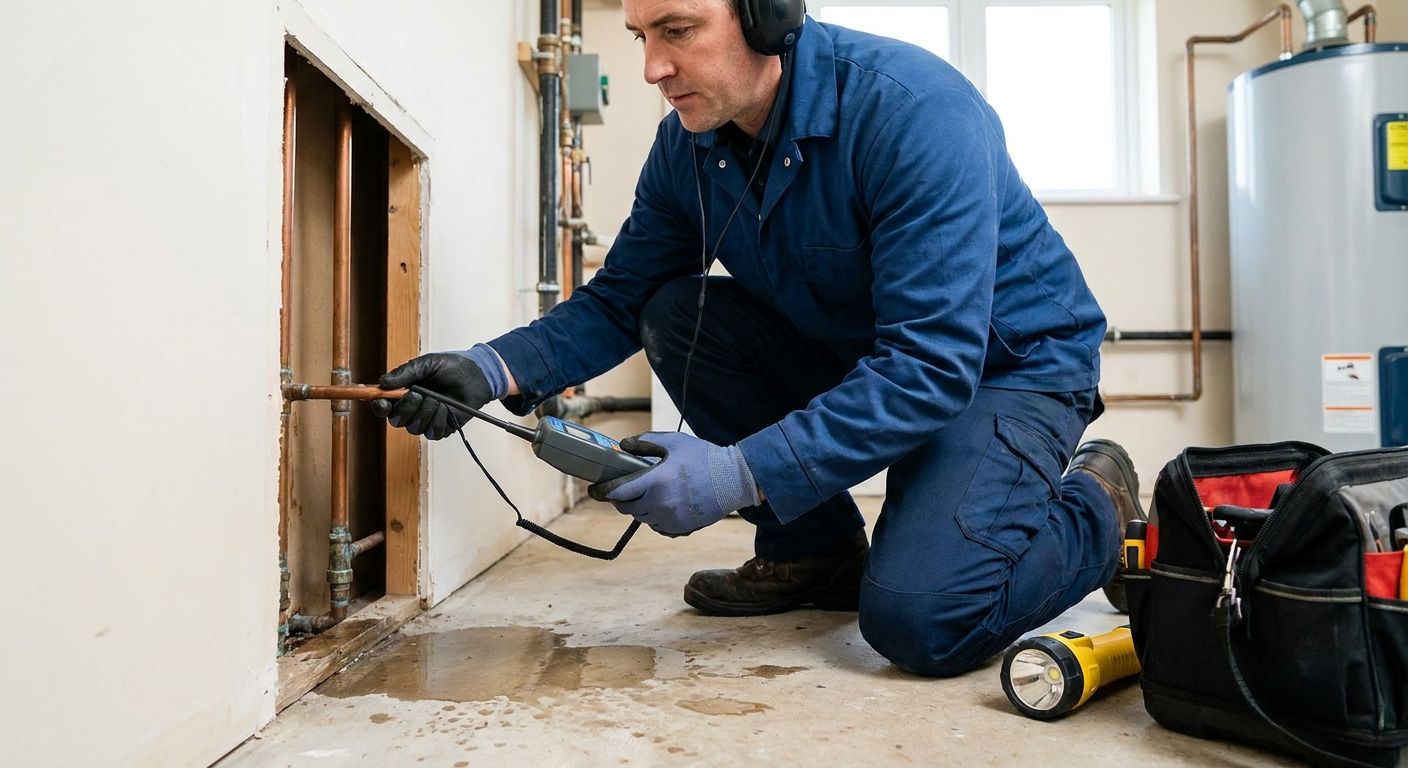
- Book a video camera inspection when a clog returns within two to three weeks
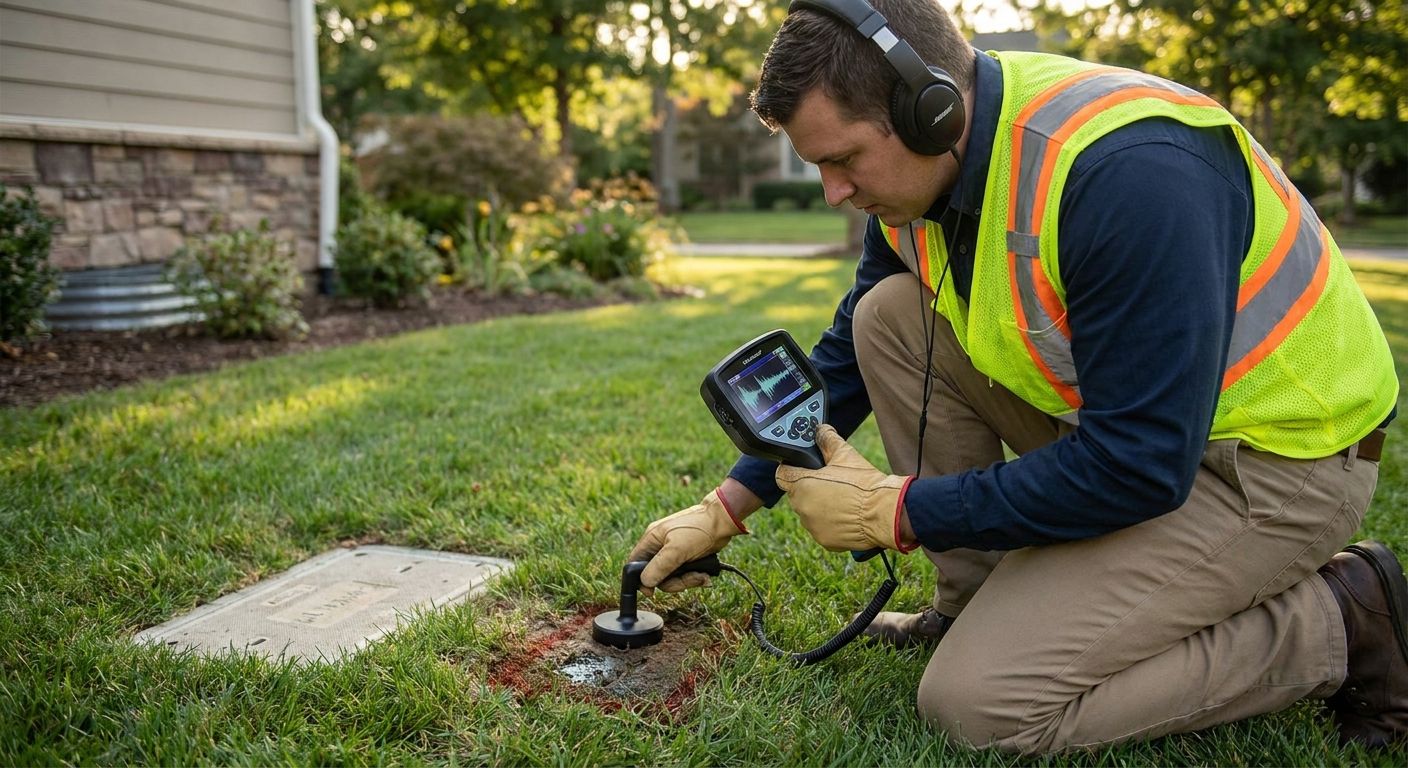
- Ask for hydro jetting when the blockage is grease, mineral scale, or root intrusion in a branch line
- Request a written diagnosis before agreeing to any pipe repair
- Statewide Sewer & Drain runs 24-hour emergency drain service across Monmouth County if the backup happens outside business hours
If the clog sits past the trap and more than one fixture backs up at once, you're not dealing with a bathroom drain problem anymore — read how to unclog a main sewer line before it backs up for the difference between the two.
Bathroom drain cleaning options compared
| Option | Best For | Key Limitation |
|---|---|---|
| Baking soda and vinegar flush | Light soap scum and early-stage odor | Doesn't clear hair clogs or blockages past the trap |
| Zip-style drain tool | Hair clogs you can reach by hand | Only works on the first few feet of pipe |
| Plunger | Standing water in a tub or sink basin | Can push a clog deeper if used without sealing the overflow |
| Chemical drain cleaner | Occasional slow drains in newer PVC lines | Corrodes older cast iron or galvanized pipe and won't remove solid clogs |
| Professional hydro jetting | Recurring clogs, grease buildup, or root intrusion in branch lines | Requires a service call — not a DIY option |
Verdict: a zip tool and a P-trap check clear most bathroom drain clogs in 2026 — call a professional only when the clog returns or sits past the trap.
“If the water in the tub takes longer than 30 seconds to disappear, snake it before you reach for a chemical cleaner.”
Common mistakes homeowners make with bathroom drains
- Pouring chemical drain cleaner into a slow tub with cast iron or galvanized pipe — it eats the pipe wall before it clears the clog
- Waiting for the drain to stop completely instead of acting on the first slow drain
- Using a wire hanger instead of a zip tool — the hook scratches pipe walls and can wedge deeper past the trap
- Skipping the pop-up stopper cleaning and assuming the clog is deeper in the line
- Snaking too aggressively and cracking the trap seal, turning a simple DIY fix into a leak under the sink
Clog keeps coming back?
Get a video camera inspection or hydro jetting quote from Statewide Sewer & Drain.
FAQ
What's the best bathroom drain cleaner for a clogged sink?
A flexible zip tool combined with cleaning the pop-up stopper clears most bathroom sink clogs in 2026. Chemical drain cleaner should be a last resort, and only on newer PVC lines.
Is chemical drain cleaner safe for bathroom pipes?
Chemical drain cleaner is risky on cast iron or galvanized pipe found in homes built before the 1970s. It's marginally safer on newer PVC, but it still won't remove solid hair clogs.
How often should you clean a bathroom sink or tub drain?
Pull and clean the stopper every one to two months if hair and soap scum are a regular problem. A quick baking soda and vinegar flush every month helps prevent buildup from packing into the trap.
How much does professional drain cleaning cost?
Cost depends on the extent of the clog, whether a camera inspection is needed, and access to the line. Get a specific quote from Statewide Sewer & Drain before assuming a price.
Is hydro jetting safe for bathroom drain lines?
Hydro jetting is safe for most residential branch lines when performed by a professional who checks pipe condition first. It's overkill for a simple hair clog and better suited to recurring or grease-based blockages.
When should you call a plumber instead of using a bathroom drain cleaner?
Call a plumber when a clog returns within two to three weeks of clearing it, or when multiple fixtures back up at the same time. That pattern usually points past the trap and into the branch or main line.
Can a bathtub drain clog cause a sewer backup?
A tub clog on its own stays local to that fixture. If a tub, toilet, and sink all back up together, the problem has moved into the main line and needs a different response than bathroom drain cleaning.
Does baking soda and vinegar actually clear bathroom drains?
Baking soda and vinegar cuts soap scum and mild odor but doesn't dissolve hair clogs. Treat it as maintenance, not a fix for a drain that's already slow.
One last thing
Most bathroom sink and tub clogs sit inside the trap or the first few feet of trap arm — not deep in the wall. That's the whole reason a $10 zip tool outperforms a full bottle of chemical cleaner on nine out of ten calls: the blockage is close enough to reach by hand, and the cleaner never gets far enough to touch it. If a bathroom drain clog in 2026 keeps coming back after you've cleared the trap twice, stop repeating the same fix and get a camera inspection instead.