Grease buildup in kitchen drains comes from pouring fats, oils, and grease down the sink, and stopping it means keeping FOG out of the drain entirely, running hot water with dish soap after every meal, and calling in a hydro jetting service once buildup has already narrowed the pipe. The habit matters more than any single trick — grease that goes down warm and liquid travels a few feet past the trap before it cools and hardens against the pipe wall, not right at the drain opening. Hot water alone doesn't solve the problem long-term; it just pushes the grease further down the line where it's harder to reach and more expensive to fix. A slow kitchen drain in 2026 is almost always a grease problem before it's anything else.
- Never pour fats, oils, or grease down a kitchen drain — the single biggest cause of buildup in 2026.
- Hot water alone won't dissolve grease; it just pushes the problem further down the pipe.
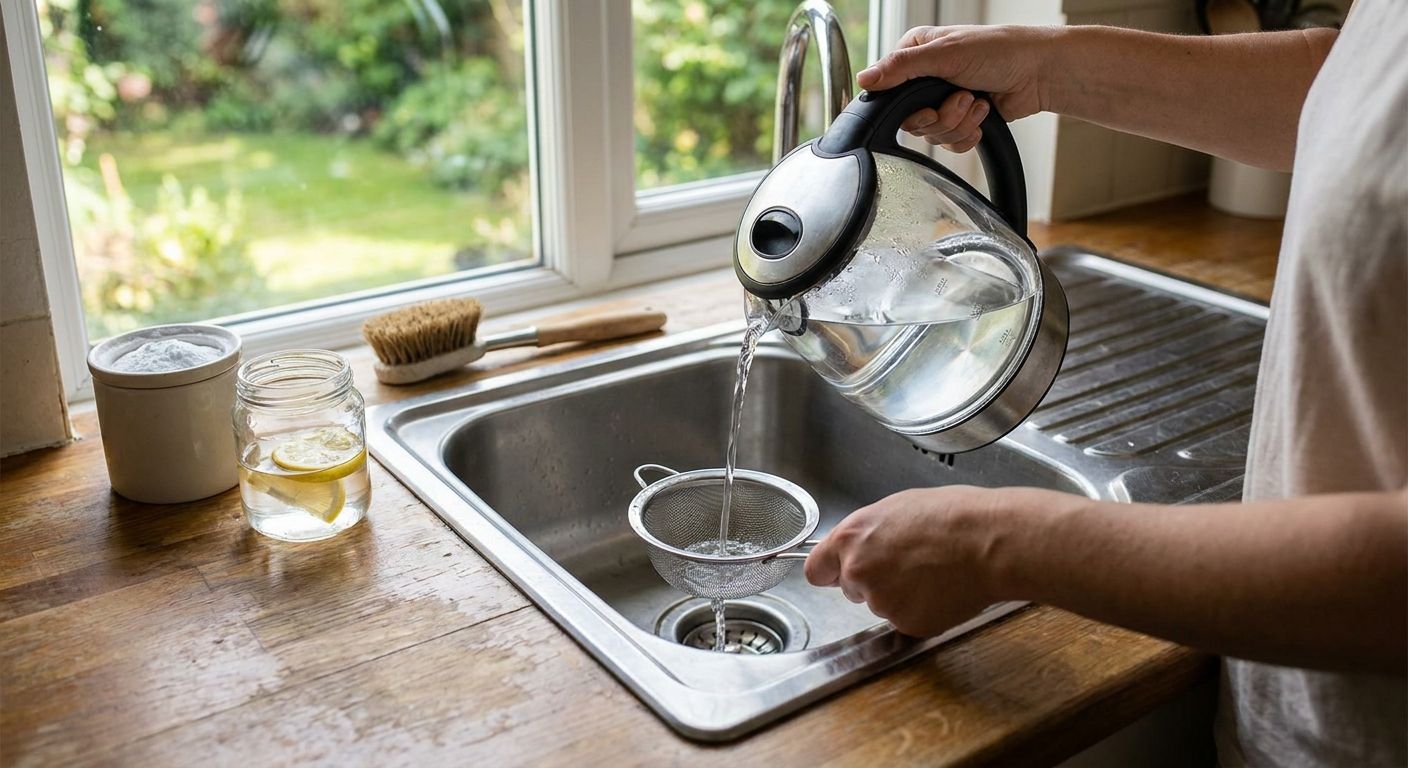
- Flush drains weekly with hot water, dish soap, or a baking soda and vinegar rinse.
- Hydro jetting clears hardened grease a home routine can't reach — Statewide Sewer & Drain runs it across Middlesex, Monmouth, Ocean, and Union counties.
Why grease buildup in kitchen drains matters
Grease buildup starts as a thin film and compounds fast. Left alone, it narrows the pipe diameter month over month until wastewater backs up into the sink instead of draining through it, and in shared building lines it clogs the section every connected unit depends on. A kitchen drain that gurgles, drains slower than it did a month ago, or carries a sour smell near the trap is showing early signs of that film thickening.
By the time a homeowner notices a slow drain, a video camera inspection usually shows a coating already lining several feet of pipe past the trap — not just the section closest to the sink. In 2026, grease is still the top cause of kitchen drain calls Statewide Sewer & Drain gets across Middlesex and Monmouth counties, and the visible slowdown at the sink is a lagging sign, not the first one.
Left unresolved, that buildup doesn't stay contained to the kitchen. A blocked branch line backs pressure up through every fixture tied to it, and in older two-family or multi-unit properties across Union and Ocean counties, one kitchen's grease habit can flood a neighbor's basement floor drain before anyone traces the cause back to the source.
If your kitchen sink is already draining slow, start with how to unclog a kitchen sink drain without harsh chemicals before the clog turns into a full backup that needs equipment to clear.
How do you prevent grease buildup in kitchen drains?
Statewide Sewer & Drain, a sewer and drain cleaning company serving four New Jersey counties, breaks prevention into six habits:
- Scrape pans before washing. Wipe grease and oil into the trash or a sealed can before the dish touches running water — this single step removes most of the grease load before it reaches the trap.
- Let grease cool before disposal. Hot grease is liquid and slips past the trap easily; cooled grease solidifies into a form you can scrape into the trash instead.
- Run hot water and dish soap for 30 seconds after every load. Soap breaks remaining grease into droplets small enough to clear the trap instead of coating it on the way down.
- Use a drain strainer. Food particles bind with grease and speed up buildup considerably; catching them before they wash down cuts that risk without changing your routine.
- Flush weekly with baking soda and vinegar, then hot water. It cuts light grease film without the harsh chemicals that can eat through older pipe joints over repeated use.
- Schedule hydro jetting once a year for high-use kitchens. A professional hydro jetting service clears hardened buildup a home routine physically can't reach, since it uses pressurized water to strip the pipe wall clean instead of just pushing material through.
Skip the chemical drain cleaner. Chemical cleaners break grease down through corrosive reaction, and repeated use can damage older cast iron or PVC joints — a hydro jetting service does the same job mechanically, without that corrosion risk, which matters most in Middlesex and Monmouth County homes still running original cast iron lines.
Most New Jersey municipalities run a used cooking oil drop-off program through public works or a local recycling center. Check your town's site before pouring large amounts of cooled grease into household trash, since some towns collect it separately from regular waste.
DIY prevention vs. professional grease removal
Not every prevention method works the same way, and mixing them up wastes time on a clog that needs a different tool. Here's how the common options stack up:
| Method | Best for | Pros | Cons | Verdict |
|---|---|---|---|---|
| Daily habits (scrape, cool, strainer) | Every kitchen, every day | Free, stops buildup before it starts | Only works if followed consistently | Buy |
| Hot water + dish soap flush | Light daily maintenance | Quick, breaks fresh grease into droplets | Doesn't touch hardened buildup | Buy |
| Baking soda and vinegar rinse | Weekly upkeep, no harsh chemicals | Gentle on pipe joints, cheap | Won't clear existing hardened grease | Buy |
| Chemical drain cleaner | Occasional fresh clogs | Fast, available at any store | Can corrode older cast iron or PVC joints with repeated use | Hold |
| Hydro jetting service | Established buildup or annual maintenance | Strips hardened grease off pipe walls completely | Requires a professional visit | Buy |
Daily habits win for prevention, hydro jetting wins for cleanup. A kitchen drain that's already slow doesn't get fixed by adding more dish soap — it needs a hydro jetting service to strip the pipe wall back to bare metal or PVC.
Grease buildup risk in older Middlesex and Monmouth County homes
Homes built before the 1980s across Middlesex and Monmouth counties often still run cast iron drain lines, and cast iron holds onto grease film differently than modern PVC. The interior surface roughens as the pipe ages, giving hardened grease more texture to grip instead of sliding through with wastewater.
That's part of why the same prevention habits produce different results house to house — a newer PVC line in a Union County build clears itself more easily than a decades-old cast iron line carrying the same grease load. None of that changes the prevention steps, but it does mean older homes benefit more from an annual hydro jetting service instead of waiting for a slowdown to show up at the sink.
Why grease builds up in kitchen drains even when you're careful
- Cold pipes in winter make grease solidify faster, especially in older Monmouth and Middlesex County homes running cast iron lines instead of PVC.
- Dish soap breaks grease into droplets but doesn't remove it from the pipe system entirely — it just carries the problem further down the line where it re-forms.
- Shared kitchen lines in multi-unit buildings collect grease from every connected unit, so one household's habits don't control what happens in the rest of the run.
- Garbage disposals grind food into particles that bind with grease more easily than whole scraps would, adding volume to the film building on the pipe wall.
- Low water pressure during rinsing leaves grease residue behind instead of flushing it through the trap and into the main line.
- Restaurant and commercial kitchens generate far more grease volume than a household sink ever will, which is why most municipal codes require a dedicated grease trap on the line.
Water utilities use the term "fatberg" for the solid mass that forms when grease, wipes, and food waste combine inside a pipe — the same mechanism happens at kitchen-sink scale, just smaller. A fatberg doesn't need one big pour to form; it builds from dozens of small ones over months.
What dissolves grease buildup in a drain?
Hot water and dish soap loosen fresh grease, but neither one dissolves grease that has already hardened against the pipe wall. A baking soda and vinegar flush breaks up light residue on a regular basis, and a hydro jetting service uses high-pressure water to strip hardened grease off the pipe wall completely without cutting into the line to do it.
How often should you flush a kitchen drain to prevent grease clogs?
Flush a kitchen drain with hot water and dish soap after every heavy cooking session, and run a full baking soda and vinegar treatment on a weekly basis. Kitchens that fry or bake often should add a professional hydro jetting service once a year to clear buildup that a weekly routine at home simply misses.
Can hot water alone prevent grease buildup in kitchen drains?
Hot water alone cannot prevent grease buildup in kitchen drains — it keeps grease liquid just long enough to travel further down the pipe before it cools and hardens again in a spot that's harder to reach. Pair it with dish soap and a drain strainer and it becomes a real prevention habit instead of a false fix that just relocates the problem.
Does a garbage disposal cause grease buildup?
A garbage disposal doesn't cause grease buildup by itself, but it makes the problem worse when grease and food scraps go down together. Ground food particles bind with grease more easily than whole scraps, so a disposal without a strainer routine tends to speed up buildup rather than prevent it.
When grease buildup turns into a clog
A slow kitchen drain that doesn't respond to hot water and a strainer routine has moved past the DIY stage. For residential kitchens across New Jersey, affordable drain cleaning options usually start with a video camera inspection to confirm exactly where the buildup sits in the line before any equipment goes in. Homeowners calling in 2026 typically wait until the sink is fully backed up before booking that inspection, which turns a routine flush into an emergency call.
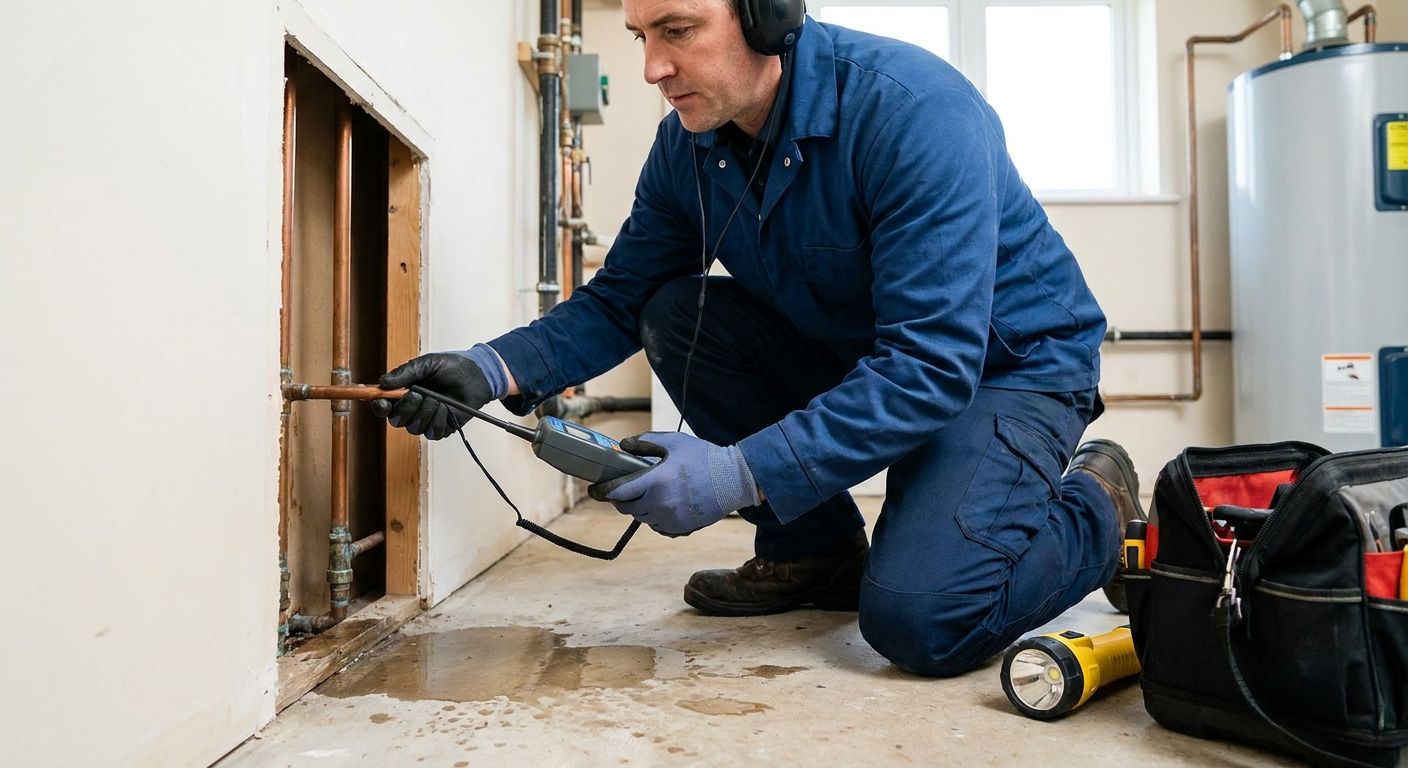
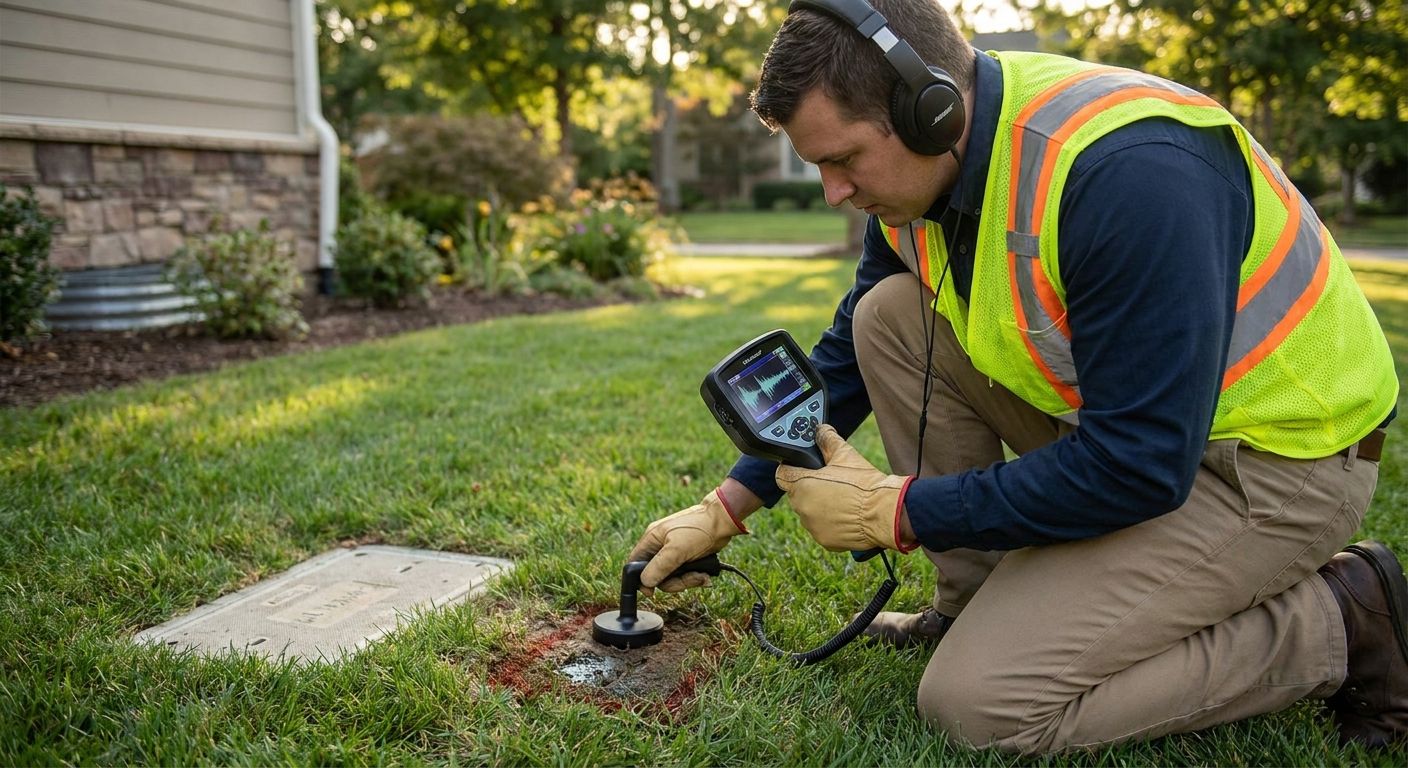
A video camera inspection takes a plumber only a few minutes to run once the access point is open, and it shows exactly how far the grease coating extends past the trap — information that decides whether a standard flush is enough or whether the job needs full hydro jetting instead.
Commercial kitchens carry a different risk profile entirely — grease trap lines see daily volume a residential sink never will, and hydro jetting for restaurant grease trap lines is the standard fix once a trap starts backing up instead of draining freely between service visits. Homes in Matawan and the surrounding area can get the same hydro jetting approach scaled to residential lines through drain cleaning for Matawan and Middlesex County homes.
If it ain't flowing, that's the signal to call a professional — not to keep pouring hot water down a drain that's already backing up on you.
Grease clog won't clear on its own?
Statewide Sewer & Drain runs hydro jetting and camera inspections across four NJ counties.
FAQ
What causes grease buildup in kitchen drains?
Grease buildup happens when fats, oils, and grease go down the sink warm, travel past the trap, then cool and harden against the pipe wall. Food particles and soap scum stick to that layer and narrow the pipe further over time.
Is it safe to pour grease down the drain if I run hot water first?
No — hot water keeps grease liquid only long enough to move it further down the line, where it cools and hardens anyway. The safest method is cooling grease in a container and throwing it out with the trash.
Does baking soda and vinegar remove grease buildup?
Baking soda and vinegar break up light grease residue and freshen the drain, but they won't clear grease that has already hardened into a solid layer. Established buildup needs a mechanical or hydro jetting fix instead.
How do I know if my kitchen drain has grease buildup?
A kitchen sink draining slower than usual, gurgling sounds, or a sour smell near the drain all point to grease buildup. A video camera inspection confirms exactly where the buildup sits in the line.
Can grease buildup in a kitchen drain cause a sewer backup?
Yes — grease buildup that goes unaddressed narrows the pipe until it blocks the connecting line, which can force wastewater back into the sink or, in worse cases, into the main sewer line.
Do restaurants need special equipment to prevent grease buildup?
Restaurants generate far more grease volume than a household kitchen, which is why most municipal codes require a dedicated grease trap and regular hydro jetting to keep the trap line clear.
How often should a kitchen drain be professionally cleaned?
A residential kitchen drain with no history of clogs can go a year between professional hydro jetting services in 2026 if daily habits stay consistent. Kitchens that fry often or share lines with multiple units should schedule it more frequently.
One last thing
Grease buildup rarely stays put in one drain — it moves toward the lowest point in the plumbing system, which is usually the main sewer line, not the kitchen sink itself. A slow kitchen drain in 2026 is often the first visible sign of buildup that's already further down the pipe than it looks from the sink, and catching it early with a camera inspection costs far less trouble than waiting for a full backup.