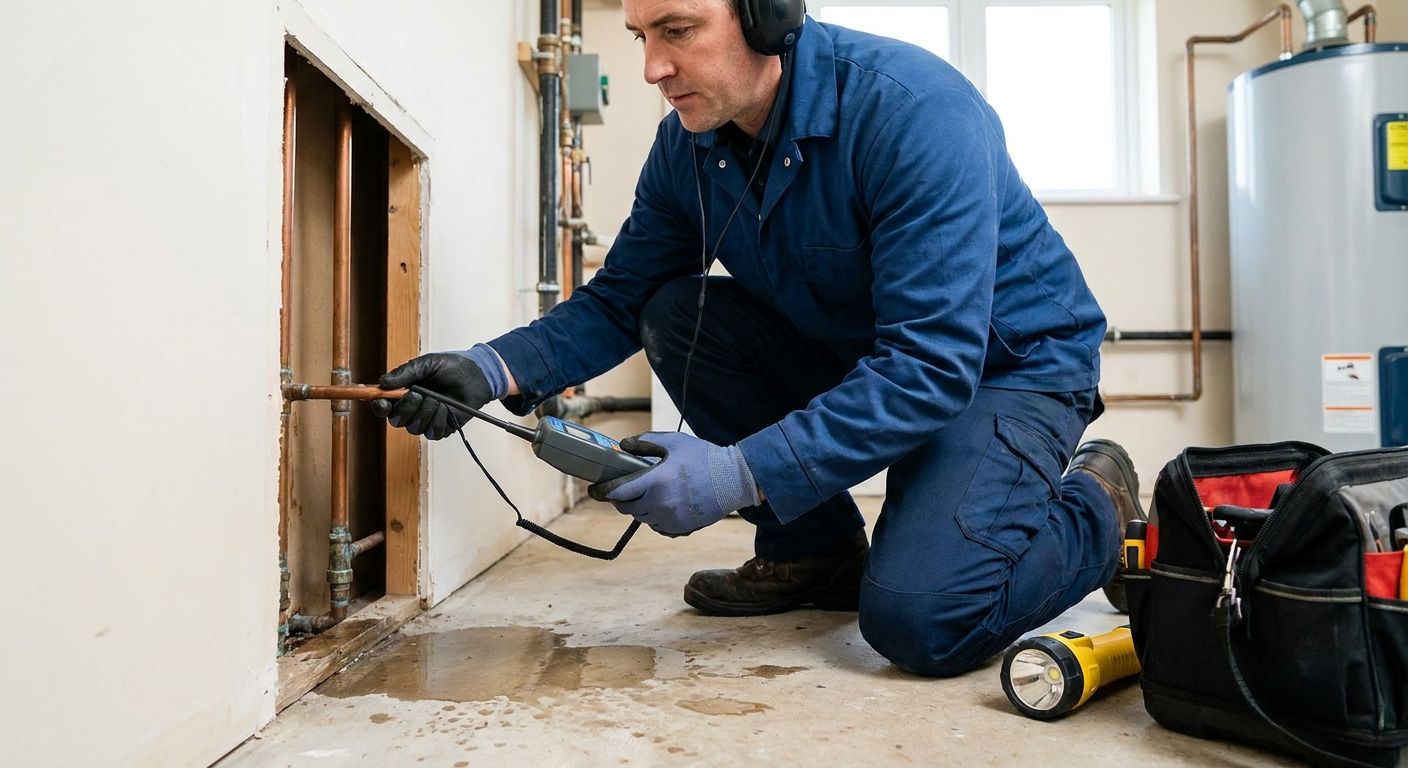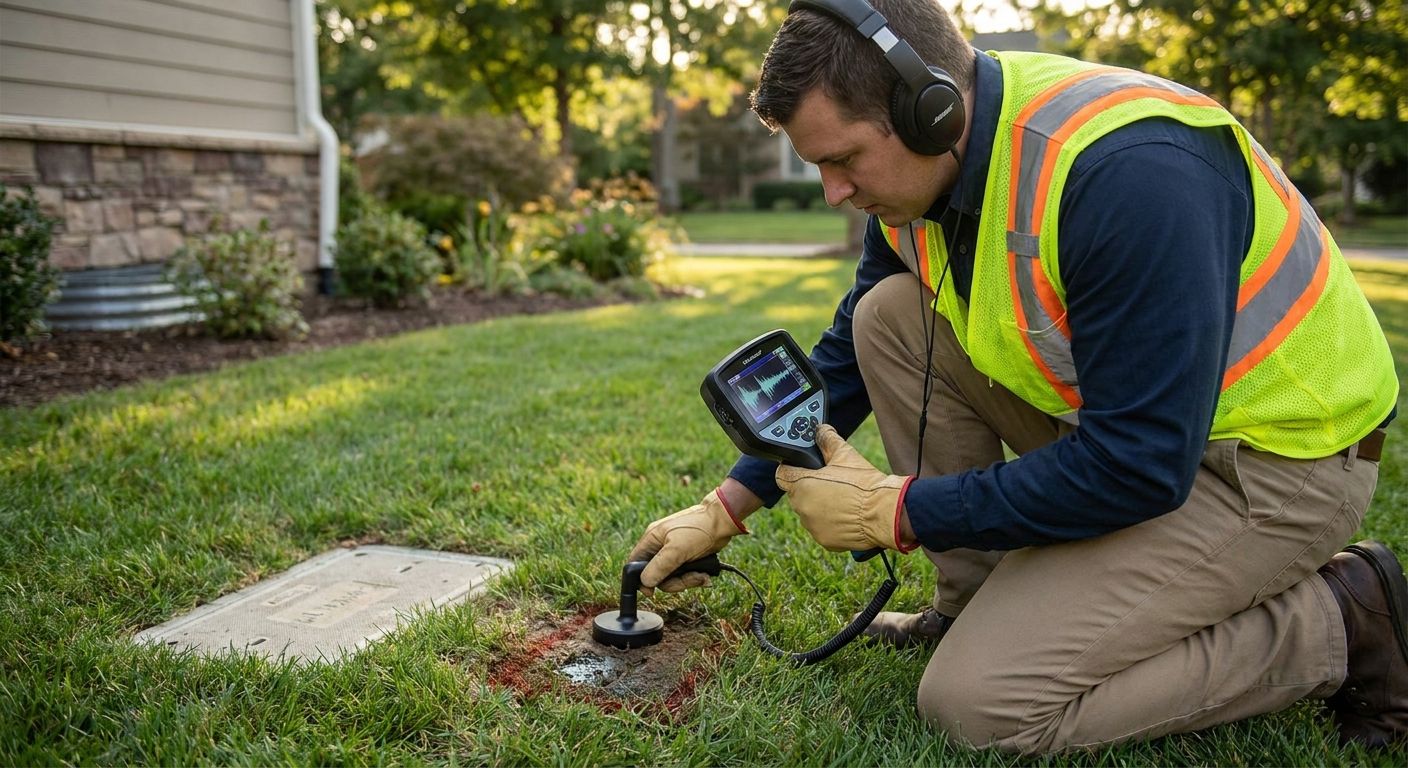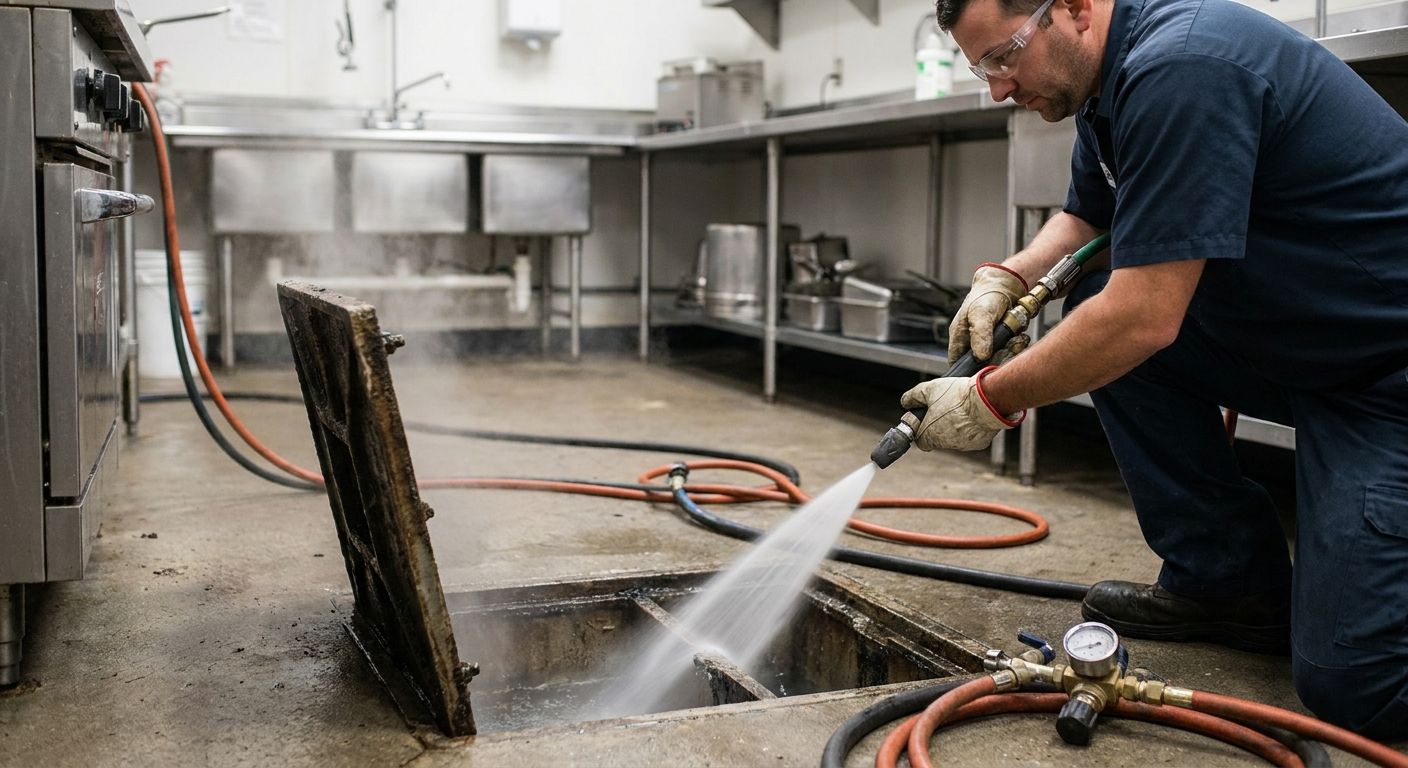
Restaurant grease trap hydro jetting clears fat, oil, and grease (FOG) buildup from kitchen drain lines using high-pressure water instead of chemicals or a cable snake, with the goal of keeping a commercial kitchen operating without a mid-shift backup. A single-family bathroom drain and a restaurant grease line are not the same problem — restaurant lines see daily FOG loads, food solids, and starch buildup that harden into a near-concrete blockage if left untreated.
- Hydro jetting for grease lines clears hardened FOG buildup that cabling only pushes further down the pipe.
- Statewide Sewer & Drain runs hydro jetting for restaurant grease trap lines across Middlesex, Monmouth, Ocean, and Union counties.
- Quarterly jetting on a schedule costs less than one emergency after-hours callout during a dinner rush.
- Video camera inspection before jetting confirms whether the blockage is FOG, roots, or a collapsed section of pipe.
Why hydro jetting matters for restaurants
A clogged grease line doesn't wait for a slow Tuesday — it backs up during a Friday dinner rush, a catering event, or right after a health inspector walks in. Every hour a kitchen sink or floor drain is down is an hour of lost covers, and a visible backup during an inspection can mean a citation before the line even gets fixed.
Restaurant kitchens produce FOG at a volume no residential kitchen comes close to. Grease that leaves the fryer, dish pit, and prep sink cools and hardens against pipe walls, narrowing the line a little more with every shift until it closes completely. A cable snake punches a hole through the middle of that buildup and calls it fixed — the walls of grease stay put and the line clogs again in weeks, sometimes days.
Hydro jetting for grease lines uses pressurized water, run through a specialized nozzle, to strip that buildup off the full diameter of the pipe wall, not just punch a channel through the center. That's the functional difference between a temporary fix and a line that actually runs clean.
How to keep a restaurant grease line flowing
Track backup frequency before it becomes an emergency
Most kitchens don't call anyone until the drain stops completely — by then the line is already near-solid. Watching for early warning signs buys time to schedule service instead of eating an emergency rate.
- Note any slow-draining floor drains near the dish pit or fryer station
- Log gurgling sounds from floor drains when other fixtures run
- Track how often the kitchen staff resorts to boiling water or degreaser as a stopgap
- Flag any sewer smell near the grease trap access point
- Write down the date of the last pump-out or cleaning, not just "a while ago"
Pump and inspect the grease trap itself first
Before jetting the line, the trap needs to be pumped and checked. A full trap pushes FOG straight into the line downstream, undoing any jetting work within weeks.
- Confirm the trap was pumped within its normal service interval
- Check trap baffles for damage that lets grease pass through unfiltered
- Measure trap depth versus original capacity to see how much volume has been lost to buildup
- Note whether the trap is undersized for current kitchen volume
Run a video camera inspection to confirm the blockage type
Jetting a line blind wastes water pressure on a problem it can't fix — a collapsed pipe or a root intrusion needs a different repair, not more jetting. A video camera inspection run through the line shows exactly what's built up and where.
- Confirm the blockage is FOG and food solids, not roots or a broken joint
- Locate the exact distance from the cleanout to the clog
- Check pipe material and condition for signs of corrosion or bellying
- Document line condition on video for the property owner or landlord
Schedule hydro jetting on a recurring basis, not as a one-off
A single jetting visit clears what's there today. A kitchen running full FOG volume every shift needs the line cleared on a schedule that matches how fast buildup returns — often quarterly for high-volume kitchens, less frequent for lower-volume operations.
- Set a jetting interval based on trap pump-out frequency and kitchen volume
- Keep a written service log for health inspectors and insurance records
- Coordinate jetting visits for early morning or late night, outside service hours
- Flag any change in grease volume (menu changes, new fryer, added prep station) that would shorten the interval
This is the point where a scheduled hydro jetting service from Statewide Sewer & Drain becomes the faster path — a technician with commercial-grade jetting equipment clears the full line diameter in one visit instead of the kitchen staff running degreaser and a snake every few weeks and getting partial results.
Train kitchen staff on what actually goes down the drain
Jetting fixes the line. Staff habits determine how fast it clogs again.
- Scrape plates and pans into the trash before washing, not into the sink
- Pour used fryer oil into a designated container, never down a floor drain
- Run hot water for a few seconds after grease-heavy tasks to slow buildup, not to "melt it away"
- Post a simple sign at the dish pit reminding staff what belongs in the trap versus the trash
Address root intrusion or pipe damage separately from grease buildup
Older commercial buildings, especially in Middlesex and Monmouth County strip malls and downtown storefronts, often run on aging cast iron or clay pipe. Roots and corrosion compound the FOG problem and jetting alone won't fix a cracked joint.
- Confirm pipe material and age from the camera inspection
- Ask whether trenchless sewer repair fits the line's condition before scheduling more jetting visits
- Consider CIPP pipe lining for a line with repeated root intrusion instead of repeat digs
- Get a written estimate before signing off on any line replacement versus repair
Have an emergency plan for the backup that happens anyway
Even a well-maintained line can back up — a trap overflow, a burst pipe, a line collapse mid-shift. A restaurant losing water service during service hours needs a plan, not a scramble.
- Know who to call for 24-hour service before the emergency happens
- Keep the grease trap access point clear and unobstructed for fast response
- Have a shutoff plan for affected fixtures so the rest of the kitchen can keep running
- Document the incident for insurance and health department records
Get grease line jetting scheduled
Commercial hydro jetting and camera inspection across Middlesex, Monmouth, Ocean, and Union counties.
Comparison of grease line clearing options
| Option | Best for | Starting price | Key limitation |
|---|---|---|---|
| Cabling / snaking | A quick, temporary opening in an emergency | Not listed | Punches a hole through buildup, doesn't clear pipe walls |
| Chemical degreaser | Light residue between scheduled cleanings | Not listed | Doesn't reach hardened FOG, can damage older pipe |
| Hydro jetting | Full removal of hardened grease from pipe walls | Not listed | Requires the trap to be pumped first for lasting results |
| CIPP pipe lining | Aging or root-damaged lines behind repeated jetting visits | Not listed | Doesn't fix FOG buildup on its own — pairs with jetting |
Hydro jetting for grease lines is the only one of these four that clears the full pipe diameter instead of just reopening a channel through the buildup — that's the sentence to remember before booking a one-time cable job on a line that clogs every month.
Common mistakes restaurants make with grease lines
- Skipping the trap pump-out before jetting. Jetting a line downstream of an overfull trap just pushes grease back into a clean pipe within weeks.
- Waiting for a full stoppage instead of scheduling maintenance. By the time a floor drain won't run at all, the kitchen is already looking at an emergency rate and possibly a shutdown.
- Assuming one jetting visit is permanent. A high-volume kitchen rebuilds FOG buildup fast — a line jetted once in 2023 and never again is due for another visit now, in 2026.
- Using chemical degreasers as the primary fix. Degreasers thin the top layer of buildup but don't touch hardened deposits further down the line, and repeated use can degrade older cast iron pipe.
- Not documenting service history. Health inspectors and landlords both ask for a maintenance log — a kitchen with no record of grease trap or line service has a harder time proving compliance.
“If the grease line backs up twice in one quarter, scheduled jetting costs less than one more emergency callout during dinner service.”
FAQ
How often should a restaurant get grease lines hydro jetted?
High-volume kitchens typically need hydro jetting every quarter, while lower-volume operations can often go longer between visits. The right interval depends on how fast FOG rebuilds after the last jetting and how often the grease trap gets pumped.
Is hydro jetting better than snaking for a grease line?
Yes, for grease buildup specifically — hydro jetting clears the full diameter of the pipe wall while a cable snake only opens a channel through the center of the clog. Snaking is faster for a one-time emergency opening, but the grease left on the walls rebuilds quickly.
Does hydro jetting damage older pipes?
Properly calibrated hydro jetting is safe for most pipe materials, but a video camera inspection first confirms whether the pipe is too deteriorated for high-pressure water. Older cast iron with existing corrosion sometimes needs trenchless repair before jetting instead of after.
What's the difference between jetting the grease trap and jetting the line?
The grease trap needs to be pumped, not jetted — pumping removes the settled grease and solids sitting in the trap itself. Jetting targets the pipe running from the trap to the main sewer connection, clearing buildup on the walls of that line.
Can hydro jetting be scheduled outside business hours?
Yes, most commercial kitchens schedule jetting early morning or late night specifically to avoid disrupting service. A recurring schedule set up in advance avoids the scramble of an emergency call mid-shift.
What causes a grease trap line to back up even after regular pumping?
A line can back up from buildup further down the pipe than the trap reaches, root intrusion in an aging line, or a damaged trap baffle letting grease pass through unfiltered. A camera inspection identifies which of these is happening before more jetting gets scheduled.
Is a 24-hour emergency service available for a restaurant grease line backup?
Yes, restaurant backups during service hours qualify as emergencies given the lost revenue and health code exposure. Statewide Sewer & Drain runs 24-hour emergency drain and sewer service across Middlesex, Monmouth, Ocean, and Union counties.
One last thing
The kitchens that call for emergency service the most in 2026 are almost always the ones with no written jetting schedule at all — they're reacting to backups instead of preventing them. A grease trap pumped on schedule with a line jetted on a matching interval turns an emergency line item into a routine maintenance cost.