A clogged kitchen sink usually clears with boiling water, baking soda and vinegar, or a hand plunger — no bleach-based drain cleaner required. Most grease-and-food clogs break up in under 15 minutes using tools already in your kitchen, and skipping the chemical route protects older pipes common in Matawan-area homes built before the 1990s.
- Boiling water plus baking soda and vinegar clears most grease clogs when you unclog kitchen sink drain naturally in under 15 minutes.
- A hand plunger outperforms store-bought drain cleaner on standing water and costs nothing to try.
- Statewide Sewer & Drain recommends hydro jetting once two DIY attempts fail to restore flow.
- Chemical drain cleaners corrode aging PVC and cast iron; natural methods leave pipe walls untouched.
Why this matters
Chemical drain cleaners work by heating up inside the pipe to melt grease, and that same heat softens old PVC joints and pits cast iron over repeated use. Homes across Middlesex, Monmouth, Ocean, and Union counties still run on plumbing installed decades before big-box drain cleaner became the default fix, and the label warnings about skin and eye contact exist for a reason.
Natural methods cost less per attempt, work on septic systems without killing the bacteria that break down waste, and don't leave a chemical residue if you end up needing a plumber anyway. If a clog keeps returning after DIY treatment, that's a signal worth reading before you reach for a second bottle — see the affordable drain cleaning options available across New Jersey before the clog turns into a backup.
How do you unclog a kitchen sink drain naturally?
Work through these steps in order. Most clogs clear by step 4 or 5 — stop as soon as water drains at normal speed.
- Bail out standing water with a cup, then run the garbage disposal for 5 seconds to confirm the blade isn't jammed.
- Boil 2 quarts of water and pour it down the drain in two batches, waiting 30 seconds between pours.
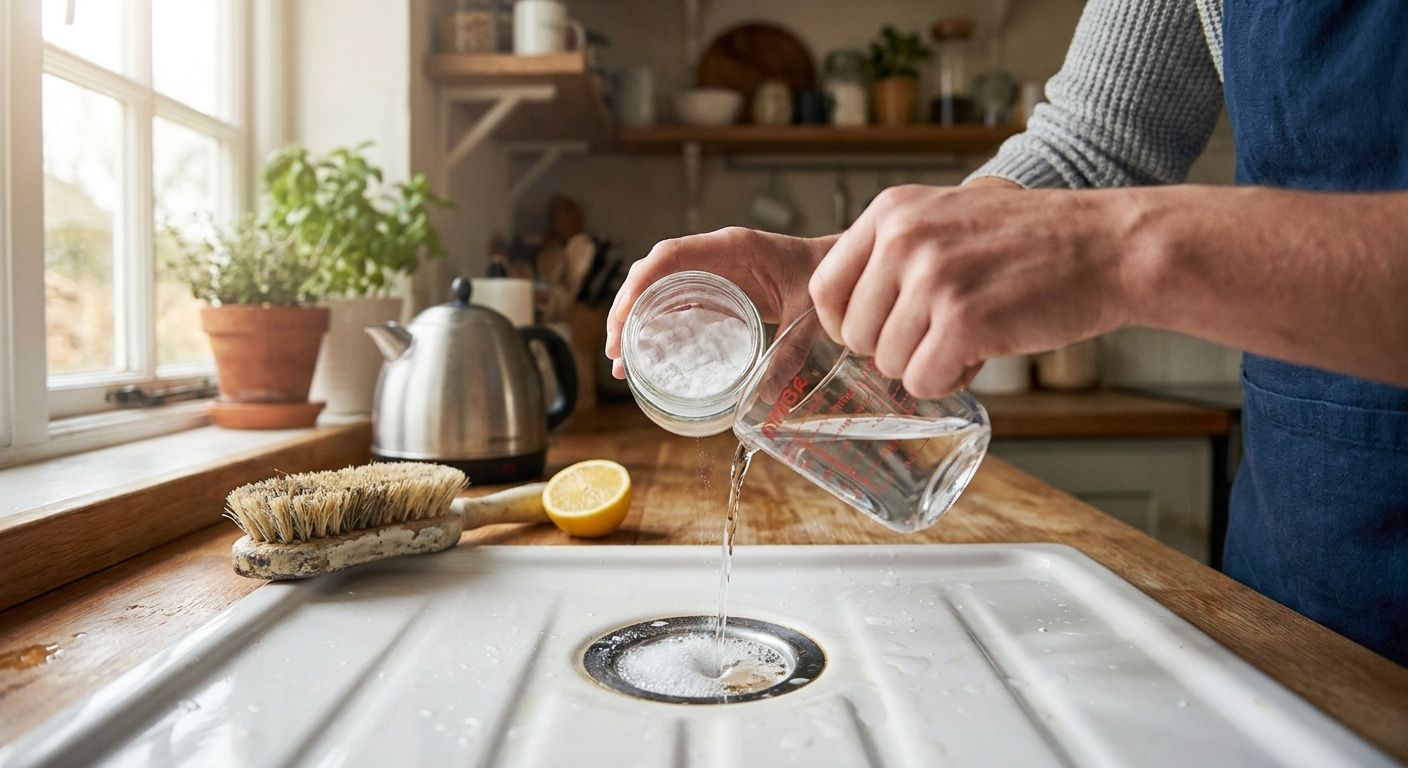
- Pour 1/2 cup baking soda down the drain, followed immediately by 1 cup white vinegar.
- Cover the drain opening with a wet cloth or stopper for 15 minutes while the fizzing reaction loosens grease film.
- Flush with another 2 quarts of boiling water to carry the loosened debris through.
- If water still backs up, seal the overflow hole with a wet rag and work a hand plunger over the drain with 10-12 firm, steady strokes.
If the sink is still slow after all six steps, the clog sits past the trap and boiling water won't reach it — that's when a drain snake or a call to a licensed plumber makes sense.
Baking soda and vinegar method
This combination works on grease and soap film because the acid-base reaction agitates buildup mechanically, not chemically. It's the best first move on a slow drain that isn't fully blocked. Best for: daily grease buildup and light food residue. Skip it on a fully backed-up sink — there's no room for the fizzing reaction to move.
Boiling water method alone
Boiling water melts congealed fat and oil on its own, which makes it the fastest option when you catch a clog early. It does nothing for solid blockages like eggshells or coffee grounds packed into the trap. Best for: grease clogs caught within a day or two of forming.
Plunger method
A cup plunger creates pressure that physically dislodges whatever baking soda and vinegar couldn't reach. Seal the second drain (if you have a double sink) and the dishwasher air gap before plunging, or you'll just push air sideways instead of down. Best for: standing water that won't drain at all.
Drain snake or zip-it tool method
A plastic zip-it tool or a hand-crank snake pulls hair, food scraps, and grease clumps out of the trap directly. It reaches 3-5 feet into the line, farther than boiling water or a plunger can affect. Best for: recurring clogs at the same spot, which usually means solid debris sitting in the trap.
Why kitchen sink clogs keep coming back
- Grease congeals as it cools, even grease you think you rinsed with hot water, and rebuilds along pipe walls over weeks.
- Coffee grounds and eggshells don't dissolve — they pack tight in the trap and narrow the opening a little more each time.
- Garbage disposals grind food but don't clear it past the trap, so fibrous scraps (celery, onion skins) still catch.
- Hard water leaves mineral scale inside older galvanized pipe, shrinking the interior diameter year over year.
- Older 1.5-inch trap arms common in pre-1990s Middlesex and Monmouth County homes clog faster than the 2-inch arms used in newer construction.
Does baking soda and vinegar actually unclog a drain?
Yes, baking soda and vinegar clears light-to-moderate grease and soap buildup in the trap and first few feet of pipe. It doesn't dissolve solid blockages like eggshells or a wad of food scraps — for those, pair it with a plunger or a zip-it tool right after the 15-minute soak.
How long should boiling water sit in a clogged kitchen sink?
Boiling water needs about 30 seconds between pours to work through grease without cooling too fast, and a full treatment runs two rounds of 2 quarts each. If the sink hasn't started draining after both rounds, boiling water alone isn't reaching the blockage.
When should you call a plumber instead of DIY drain cleaning?
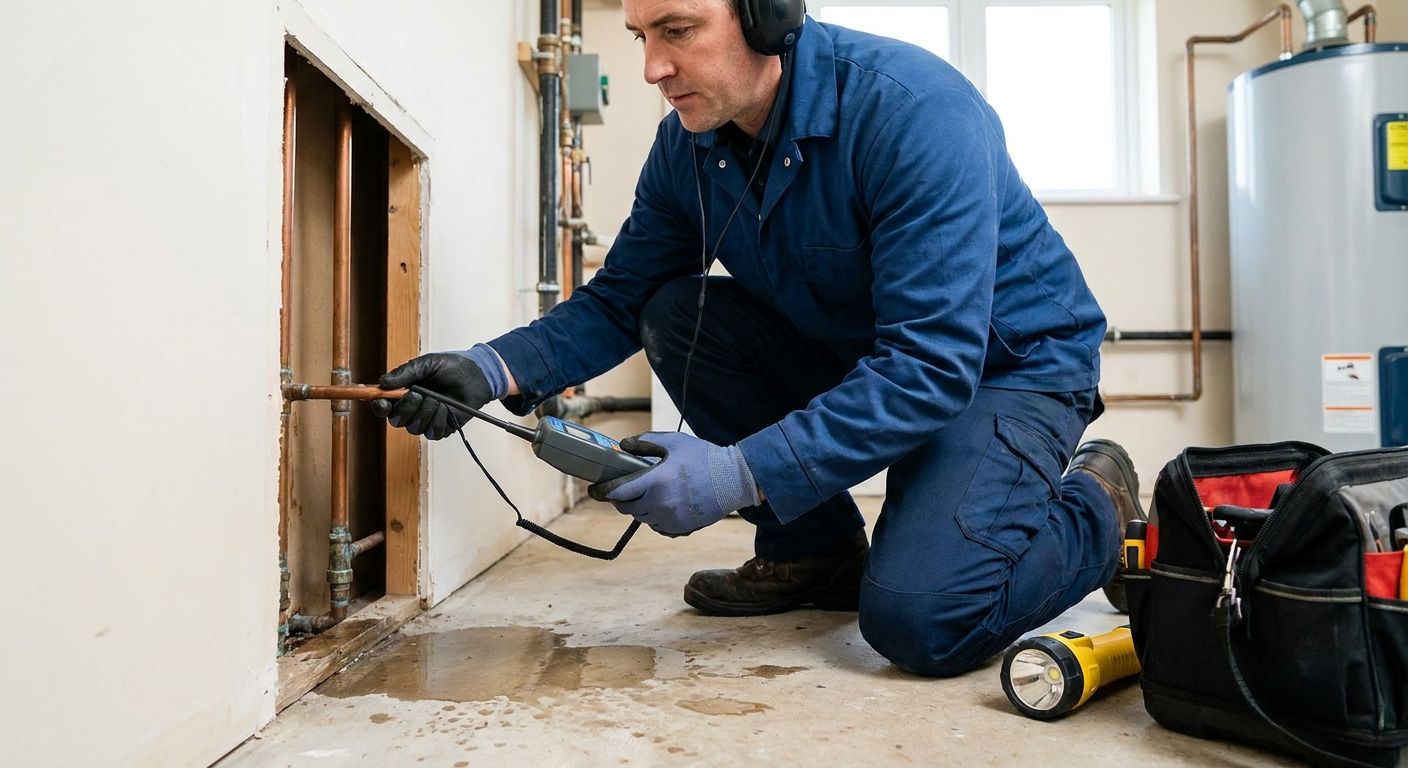
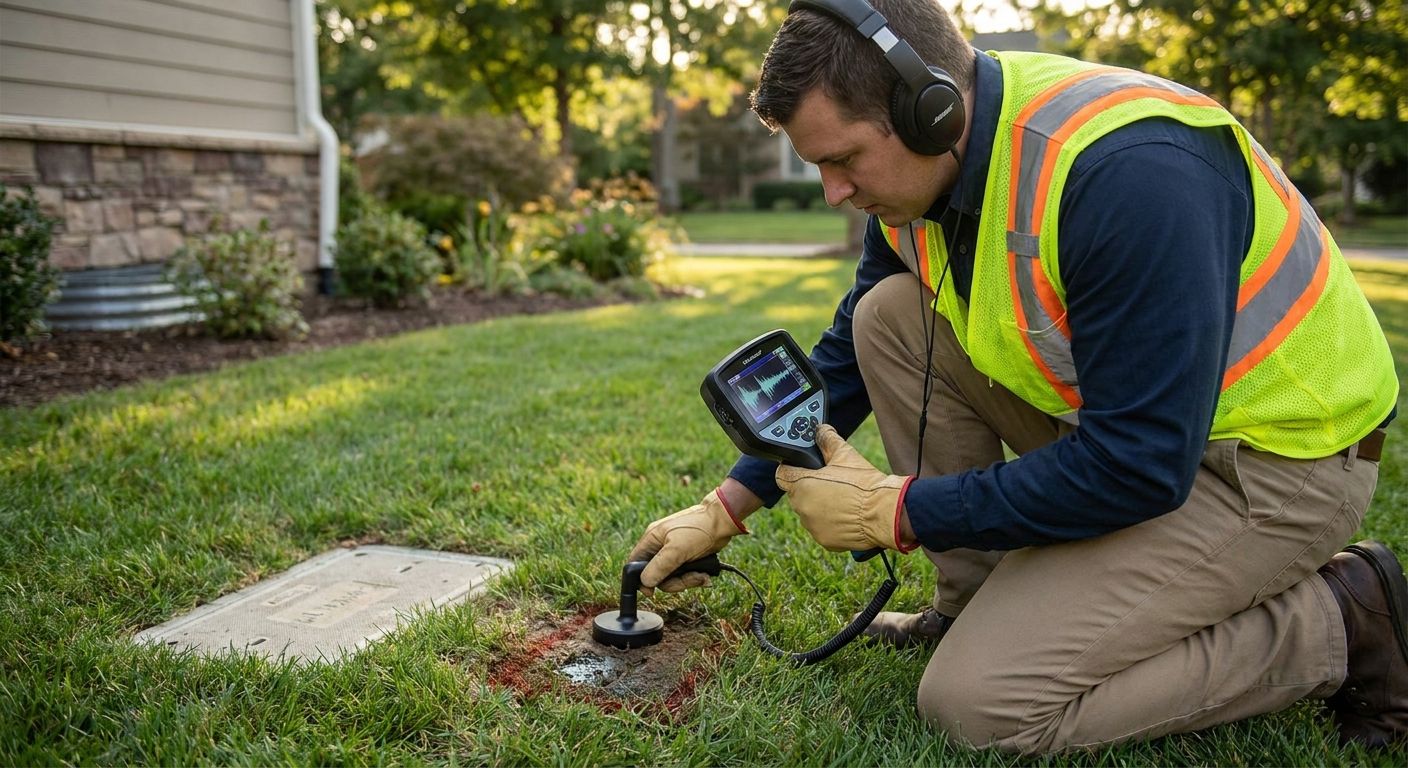
Call a plumber once two full DIY attempts fail to restore normal drainage, or if water backs up into a second fixture like a dishwasher or nearby floor drain — that pattern points to a clog further down the line than a sink trap. Statewide Sewer & Drain uses video camera inspection to locate the blockage before recommending hydro jetting or a targeted repair, which avoids guessing with more chemical pours that only buy a few days.
Still backing up after DIY?
Get a video camera inspection before the clog turns into a backup.
FAQ
How do you unclog a kitchen sink drain naturally?
Pour boiling water down the drain in two rounds, follow with 1/2 cup baking soda and 1 cup vinegar, let it sit 15 minutes, then flush again with boiling water. A hand plunger clears whatever's left in 2026 without any chemical drain cleaner.
Is baking soda and vinegar safe for garbage disposals?
Yes, baking soda and vinegar is safe for garbage disposals and won't damage the blades or motor the way some chemical drain cleaners can over repeated use.
Does boiling water damage PVC pipes?
Boiling water poured in normal amounts does not damage PVC pipes rated for household drain use. Extremely high volumes poured continuously can soften joints over years, so two 2-quart pours is the practical limit.
Why does my kitchen sink drain slowly even after cleaning it?
A sink that stays slow after cleaning usually has a clog past the trap, mineral scale narrowing older pipe, or a vent stack issue — none of which boiling water or baking soda reaches.
Can salt unclog a kitchen sink drain?
Table salt poured down the drain before bed, followed by boiling water in the morning, works as a mild abrasive against grease film and is a common backup when vinegar alone isn't cutting through buildup.
How often should you naturally clean a kitchen sink drain?
Running the baking soda and vinegar method once a month prevents most grease buildup from reaching clog stage, especially in households that cook daily.
What's the difference between a drain snake and hydro jetting?
A drain snake physically pulls out or breaks up a clog within a few feet of the opening, while hydro jetting uses high-pressure water to scour the entire pipe wall clean — a step Statewide Sewer & Drain uses for recurring or deeper clogs.
Are natural drain cleaning methods safe for septic systems?
Yes, natural methods like boiling water, baking soda, and vinegar are safe for septic systems because they don't kill the bacteria that break down waste the way some chemical drain cleaners do.
One last thing
The zip-it tool costs a few dollars at any hardware store and pulls out more solid debris in one pass than a full round of baking soda and vinegar — keep one under the sink instead of a bottle of chemical cleaner. If the same spot clogs again within a month in 2026, that's not bad luck, it's a sign the trap needs a real inspection rather than another home remedy.