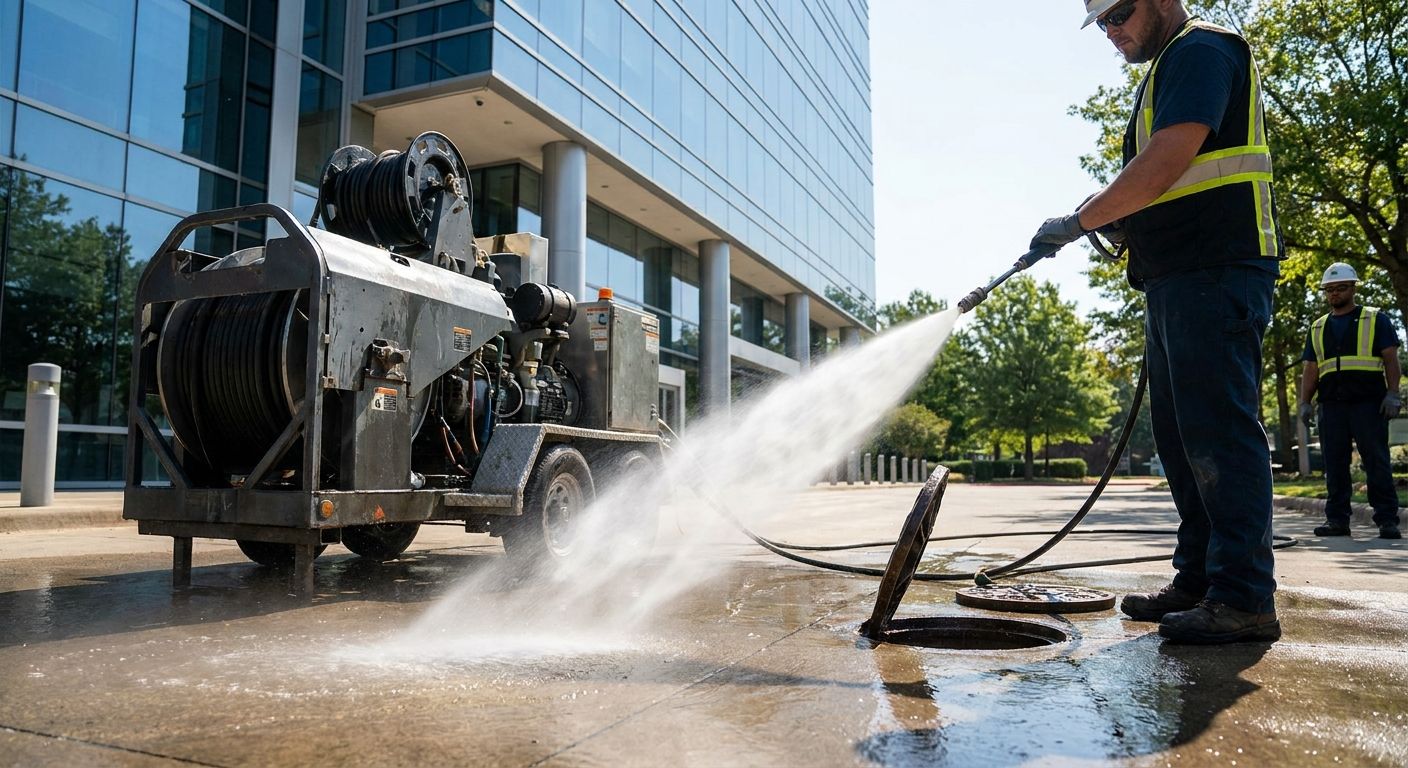
Hydro jetting for commercial office buildings clears grease, sediment, and mineral scale from shared restroom and kitchen lines using high-pressure water instead of tearing into floors or drop ceilings, with the goal of keeping every stack in the building flowing without shutting tenants out of their space. A single-family home has one stack and one household's habits to account for. An office building runs dozens of restrooms, a breakroom or cafeteria kitchen, and a mechanical room, all tied into shared lines that back up for everyone at once when one section clogs.
- Hydro jetting for commercial buildings clears shared restroom and kitchen stacks that cabling can't fully scour.
- Video camera inspection before jetting is non-negotiable in office buildings built before the 1980s with cast iron branch lines.
- Grease-heavy breakroom or cafeteria lines need separate jetting scheduling from restroom stacks.
- Statewide Sewer & Drain runs after-hours jetting across Middlesex, Monmouth, Ocean, and Union counties so tenants stay open during business hours.
Why hydro jetting matters for office buildings
One clogged branch line in a multi-tenant building doesn't just back up a single unit — it backs up every fixture tied downstream, and a flooded restroom on a Tuesday morning is a property manager's worst call to answer. Cabling (snaking) punches a hole through a clog and moves on; it doesn't scour the pipe wall, so grease, paper buildup, and mineral scale keep narrowing the line until the next backup, usually sooner than expected.
Hydro jetting for commercial buildings solves that differently: high-pressure water strips the inside of the pipe back to bare wall, not just a hole through the blockage. That matters more in office buildings than homes because the volume of daily flow through a shared stack is higher, the downtime cost of a backup is higher, and the plumbing often dates back decades with cast iron branch lines that trap debris in ways modern PVC doesn't.
Hydro jetting is the right call for commercial office buildings with recurring slow drains, grease buildup in breakroom lines, or cast iron branch piping older than 40 years — it's overkill for a single slow sink that's never backed up before.
Older office buildings across Statewide Sewer & Drain's service area in Matawan and the surrounding counties often have original cast iron drain lines from the 1960s and 1970s that have never been scoped, let alone cleaned with anything beyond a cable machine.
Update your inspection routine before scheduling jetting
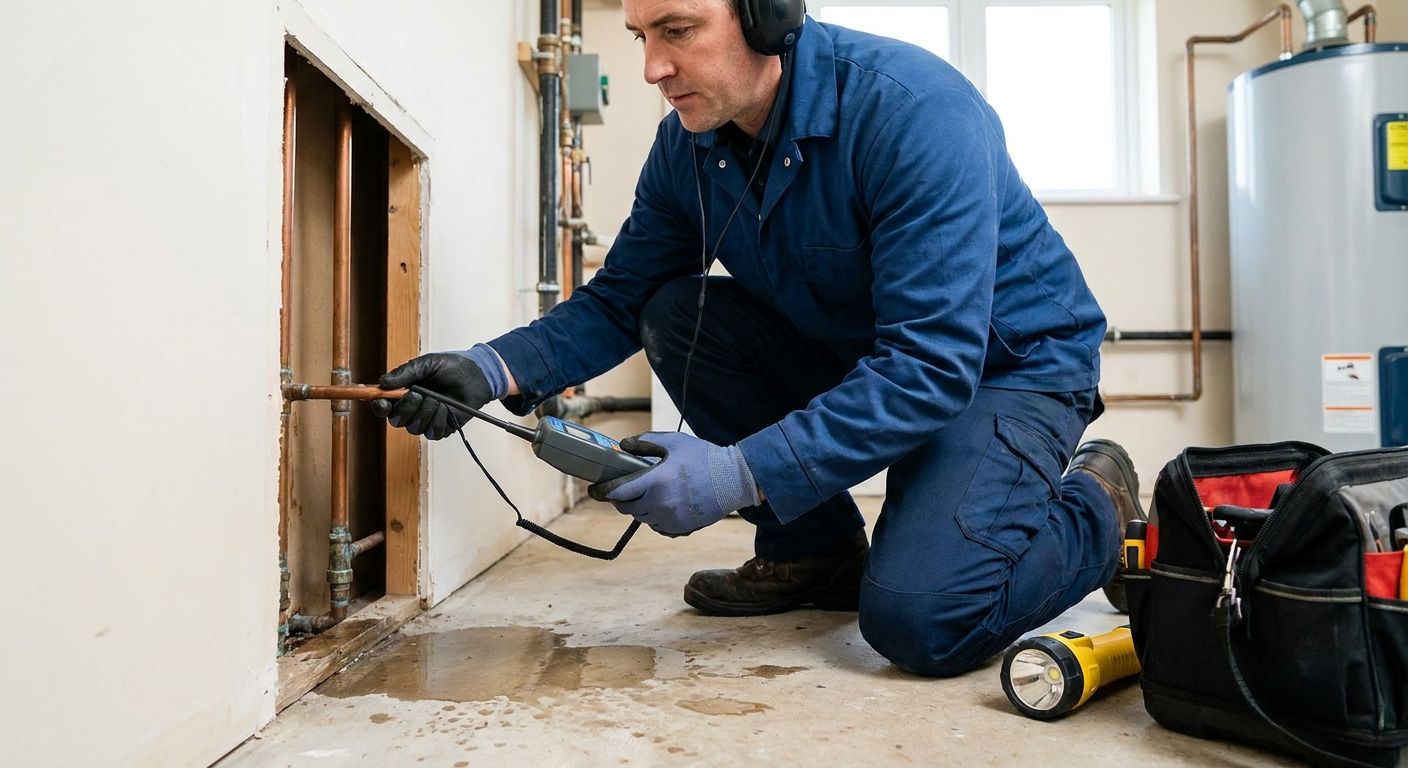
Don't jet blind. A video camera inspection tells you what you're dealing with before water pressure hits the pipe.
- Confirm pipe material (cast iron, clay, PVC, Orangeburg) before choosing jetting pressure
- Flag any cracks, offset joints, or bellies that jetting could worsen
- Locate grease accumulation points specific to kitchen or breakroom lines
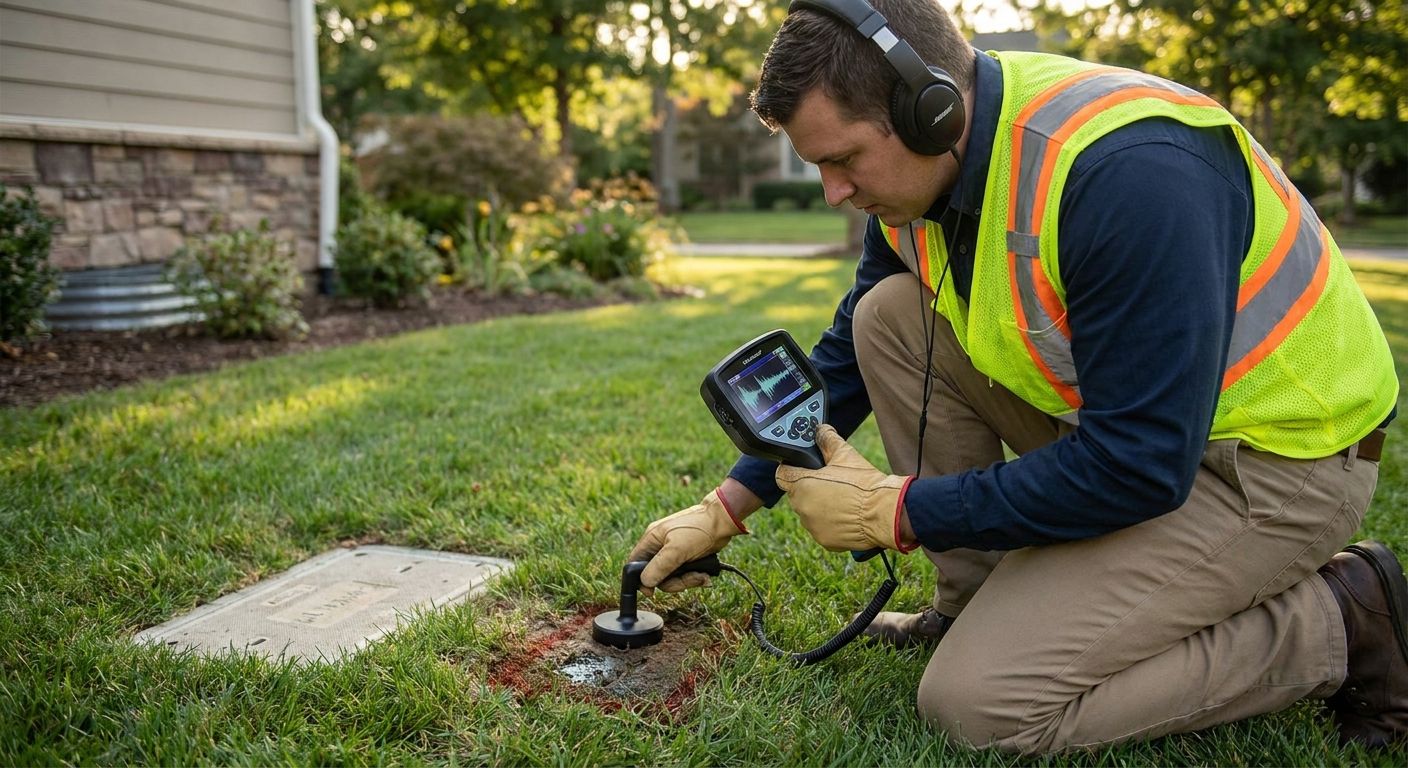
- Document root intrusion at exterior lateral connections
- Set a baseline recording so next year's inspection shows wear trends
Match jetting pressure to pipe age and material
Cast iron built before 1980 handles jetting fine at controlled pressure, but a cracked or heavily corroded section can fail under the wrong nozzle and pressure combination.
- Use lower PSI settings on confirmed cast iron with visible corrosion
- Reserve full-pressure jetting for PVC and sound cast iron
- Skip jetting entirely on sections already flagged for cast iron trenchless repair
- Re-scope immediately after jetting if the camera showed thin spots
Schedule jetting around building occupancy, not around your convenience
A breakroom or restroom shut down at 10 a.m. on a Tuesday costs a tenant productive hours. Office buildings need work scheduled to avoid that.
- Book after-hours or weekend jetting for restroom stacks serving multiple floors
- Stagger cafeteria or breakroom line work around meal service windows
- Notify property management and tenants 48 hours ahead of any planned shutoff
- Coordinate with building engineering on water shutoff valve locations before the crew arrives
Separate grease trap and kitchen lines from restroom cleaning
A building with a cafeteria or shared breakroom kitchen has grease accumulation that restroom stacks don't. Treating both the same way wastes a service call.
- Jet grease trap discharge lines on a tighter interval than restroom stacks — grease rebuilds faster than paper and scale
- Check hydro jetting for restaurant grease trap lines methods if the building leases to a food-service tenant
- Confirm grease trap pump-out schedules line up with jetting, not months apart
- Flag any tenant discharging oil or food waste improperly into non-grease lines
Set a maintenance interval based on tenant mix and building age
A class A office tower with modern PVC and no food service can go longer between jettings than a mixed-use building with a ground-floor restaurant and 1970s cast iron.
- High-occupancy restroom stacks: annual jetting as a baseline
- Buildings with food service tenants: jet grease-heavy lines twice a year
- Buildings on original cast iron with no prior camera history: inspect and jet within the first 90 days of management taking over
- Reset the interval any time a new food-service or medical tenant moves in
Call for emergency jetting before a backup floods multiple units
Slow drains across multiple restrooms on the same stack are an early warning, not a coincidence.
- Multiple floors reporting slow drains in the same week signals a shared stack problem
- Gurgling toilets on lower floors when upper-floor fixtures run point to a main line blockage
- Sewage odor in a stairwell or mechanical room means a backup is already happening below the visible fixtures
- A 24-hour emergency drain and sewer service for Middlesex County call beats waiting until Monday when tenants are already locked out of restrooms
Comparison: drain clearing options for office buildings
| Method | Best for | Key limitation |
|---|---|---|
| Cabling/snaking | Quick fix for a single isolated clog | Doesn't scour pipe walls; clog returns faster on grease or scale lines |
| Hydro jetting | Shared stacks with recurring grease, scale, or paper buildup | Not safe on severely cracked or offset cast iron without prior camera inspection |
| Video camera inspection | Confirming pipe condition and material before any cleaning method | Diagnostic only — doesn't clear the line itself |
| CIPP pipe lining | Aging cast iron with confirmed cracks or joint separation, no active collapse | Requires the line to be jetted clean first; won't fix a fully collapsed section |
Hydro jetting wins for commercial buildings with recurring, non-structural blockages — cast iron with confirmed structural damage needs lining or replacement, not more jetting.
Get commercial drain service scheduled
After-hours jetting and inspection across Middlesex, Monmouth, Ocean, and Union counties.
Common mistakes office property managers make
- Waiting for a full backup before scoping the line. By the time a restroom floods, the cast iron branch has usually been narrowing for years — annual camera checks catch it earlier.
- Treating grease trap lines and restroom stacks on the same schedule. Grease rebuilds faster than paper and scale; a single annual jetting misses the grease-heavy sections entirely.
- Skipping the camera inspection to save time. Jetting a cracked or offset cast iron joint without knowing it's there can turn a cleaning job into a repair job mid-service.
- Scheduling jetting during business hours out of habit. Tenants notice a shut-off restroom at 11 a.m.; they rarely notice one at 9 p.m.
- Assuming one jetting fixes root intrusion permanently. Roots regrow at the same joint; buildings with confirmed root damage need a repeat interval, not a one-time service — see how to remove tree roots from a sewer line for what that interval looks like on lateral connections.
FAQ
Is hydro jetting safe for old cast iron pipes in office buildings?
Hydro jetting is safe on cast iron as long as a video camera inspection confirms the pipe isn't already cracked, offset, or severely corroded. Pressure gets adjusted down on older cast iron rather than run at full PVC-rated PSI.
How often should a commercial office building schedule hydro jetting?
Restroom stacks with no food service typically need annual jetting; buildings with a cafeteria or breakroom kitchen need grease-heavy lines jetted twice a year in 2026. Buildings with no prior camera history should start with an inspection within the first 90 days of new management.
Can hydro jetting be done without shutting down restrooms during business hours?
Yes — after-hours or weekend scheduling is standard for multi-tenant office buildings so restroom stacks stay open during the workday. Property managers should notify tenants roughly 48 hours ahead of any planned shutoff.
What's the difference between hydro jetting and cabling for a commercial building?
Cabling punches a hole through a clog and moves on without cleaning the pipe wall, so grease and scale narrow the line again quickly. Hydro jetting scours the full interior of the pipe, which holds up longer on high-traffic shared stacks.
Does hydro jetting fix a collapsed or badly cracked sewer line?
No. Jetting clears blockages inside an intact pipe; a collapsed or heavily cracked cast iron line needs CIPP pipe lining or trenchless repair after the line is cleaned, not jetting alone.
How do I know if my office building's drain problem is an emergency?
Multiple restrooms on the same stack reporting slow drains in the same week, or gurgling fixtures on lower floors, both signal a shared main line problem that needs same-day attention before it turns into a full backup.
Do grease trap lines need separate hydro jetting from restroom lines?
Yes. Grease accumulates faster than paper or mineral scale, so buildings with a food-service tenant need grease trap discharge lines jetted on a tighter schedule than restroom stacks.
Can hydro jetting be used on a building's exterior lateral line with tree roots?
Hydro jetting clears root intrusion in a lateral line, but roots regrow at the same joint over time, so buildings with confirmed root damage need a repeat jetting interval rather than a single service.
One last thing
Most office property managers only find out their building has original cast iron branch lines after a backup floods a restroom on the third floor — the camera inspection that would have caught it costs a fraction of the emergency call and the tenant complaint that follows. Schedule the scope before the backup, not after.