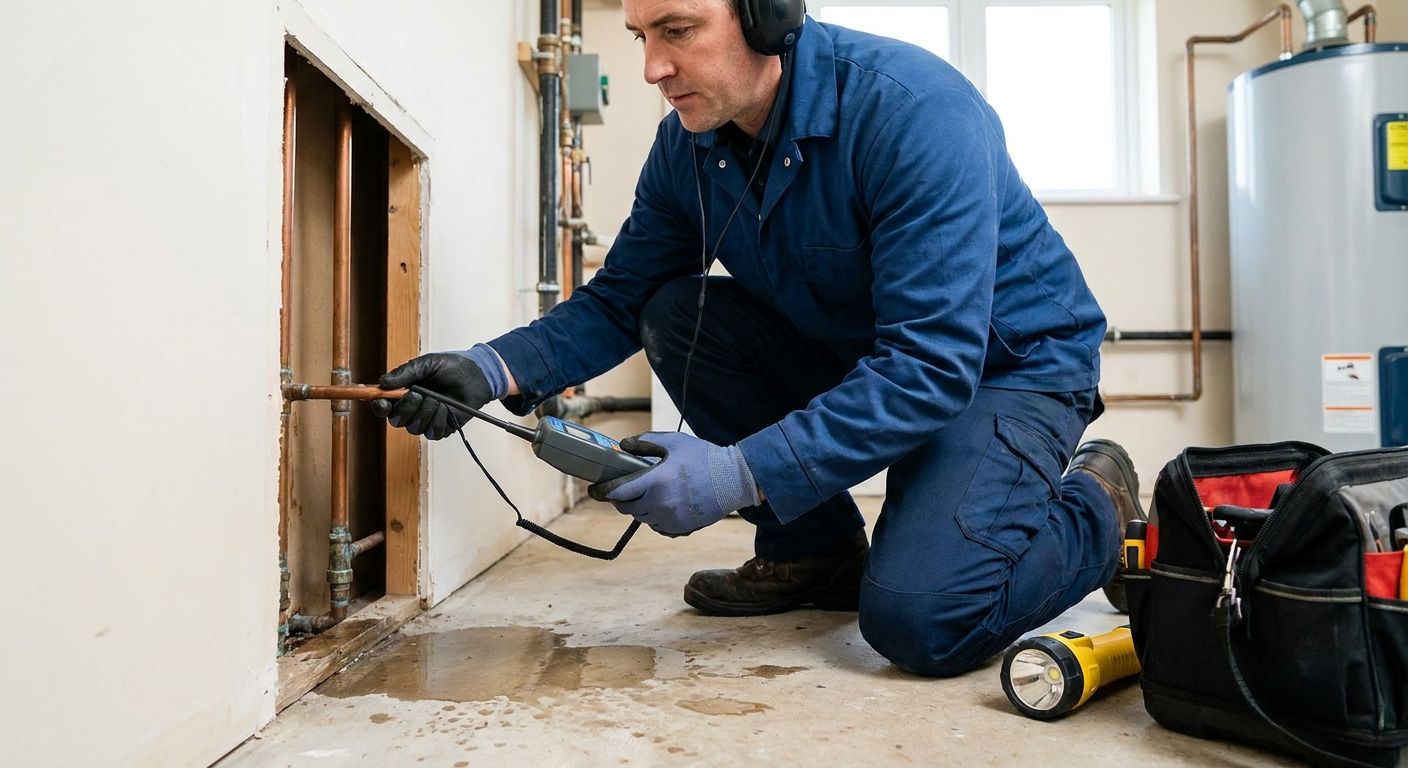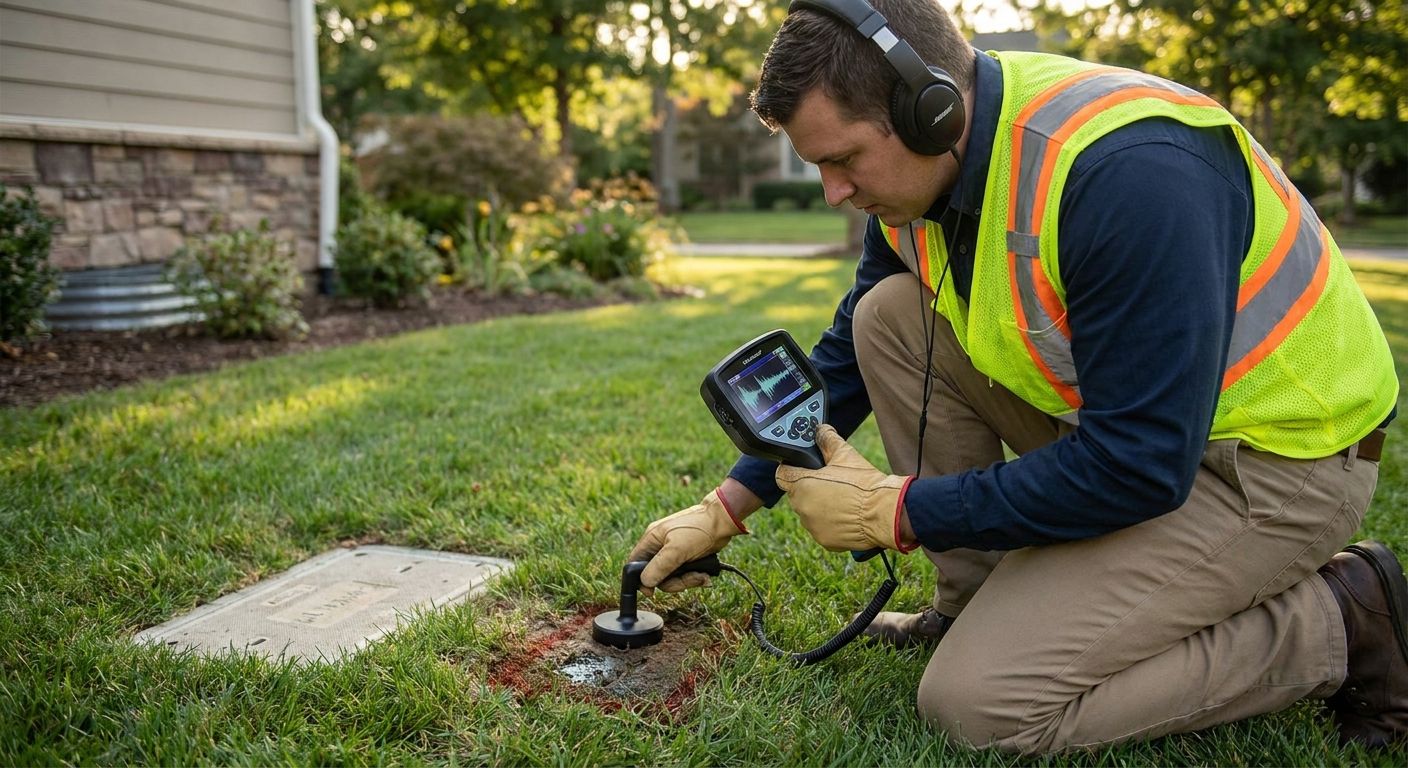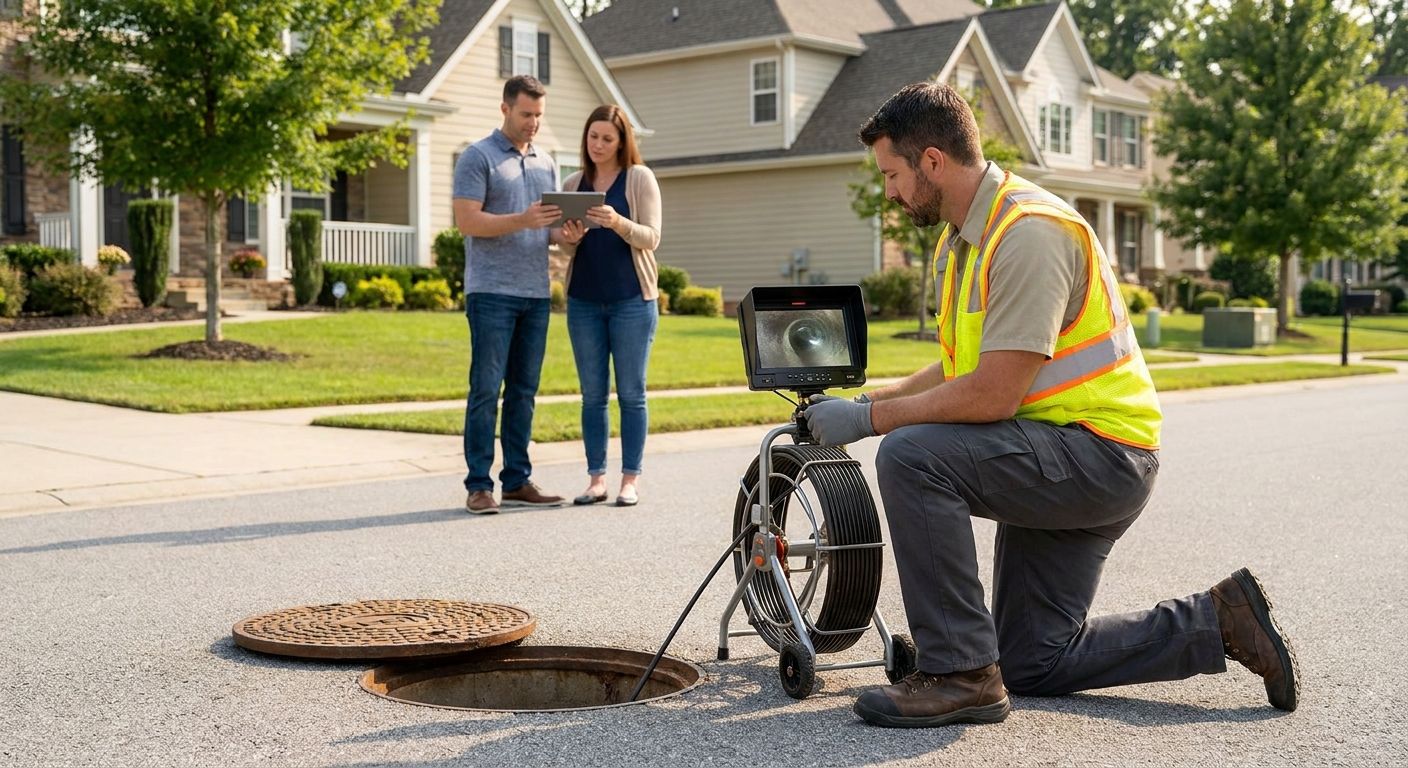
Sewer camera inspection for HOA infrastructure audits gives board members video proof of pipe condition before they approve repairs, special assessments, or reserve-fund transfers.
- Sewer camera inspection HOA audits give boards video proof of pipe condition before approving repairs or assessments in 2026.
- Statewide Sewer & Drain runs video camera inspection across Middlesex, Monmouth, Ocean, and Union County HOA communities for aging cast-iron and clay mains.
- Document pipe condition before budgeting for it, not after a shared-line backup floods multiple units.
- Boards that skip recurring inspection schedules end up funding emergency calls instead of planned trenchless repairs.
Why sewer camera inspection matters for HOA boards
HOA sewer camera inspection is a video-based diagnostic process where a contractor feeds a camera head through community sewer mains and building laterals to document exact pipe condition, with the aim of giving the board hard evidence before it spends reserve funds on repairs. A single-family homeowner cares about one line under one yard; an HOA board is signing off on shared infrastructure running under multiple buildings, common areas, and years of maintenance history it usually didn't create.
That difference changes what an audit needs to prove. A reserve study consultant wants footage tied to specific pipe segments, not a verbal "it looked okay." An insurer or attorney wants a timestamped record if a backup damages multiple units at once. And a board facing a special assessment vote in 2026 wants something it can put in front of homeowners besides a plumber's opinion.
Statewide Sewer & Drain runs video camera inspection crews across Middlesex, Monmouth, Ocean, and Union counties for HOA boards handling exactly this kind of audit. Communities built in the 1970s and 1980s in this part of New Jersey were often piped in cast iron or clay, both of which corrode and crack differently than the PVC used today — and both hide problems that only a camera catches before a backup does.
Map the community's sewer network before scheduling
You can't audit what you haven't located. Before any contractor shows up, pull together what the association already has.
- Site plans or plats showing sewer mains, laterals, and manhole locations
- A list distinguishing mainline runs (shared, association-owned) from individual unit laterals
- Cleanout and manhole access points, marked and cleared of landscaping
- Building age and known pipe material for each section, if records exist
- Any resident-reported backups or slow drains from the past 12-24 months
Choose the inspection scope that matches the audit's purpose
A reserve study update needs different footage than a pre-purchase due-diligence audit or a post-backup investigation. Scope the job before you get a bid.
- Mainline-only scope for routine reserve study refreshes
- Full lateral-to-main scope for capital planning or pre-acquisition audits
- Priority scope on buildings with repeated backup calls, even if it costs more line footage
- Separate scope for storm drainage versus sanitary sewer — they're not the same system and shouldn't be audited as one
Schedule around resident access, not contractor convenience
Multi-unit access is the part most boards underestimate. Plan it like a maintenance project, not a single-house appointment.
- Batch buildings by shared cleanout accessibility to cut mobilization time
- Notify residents 48-72 hours ahead of any interior access needed
- Coordinate common-area and utility-room access through the property manager, not individual owners
- Avoid scheduling during high-occupancy weekends when access complaints spike
Review the video log line by line, not just the summary sheet
A one-page "pass/fail" summary from a contractor tells a board almost nothing useful for budgeting. The footage itself is the record.
- Match timestamped clips to the pipe material chart — cast iron scales and corrodes differently than clay or PVC
- Flag root intrusion at joints specifically, since that's where most tree-root damage starts
- Note offset joints, bellies (low spots holding standing water), and any collapsed sections
- Ask whether condition scoring is referenced to an industry defect-coding framework like NASSCO's PACP system, which standardizes how defects are logged
- Keep the raw video file, not just a written summary, in the association's permanent records
Cross-reference findings with your reserve study
Footage that never reaches the reserve study engineer is footage that never influences the budget. Close that loop deliberately.
- Attach specific video segments to the reserve study's sewer/drainage line item
- Use documented defects to justify moving a repair from "10-year+ horizon" to "near-term"
- Send the engineer clips, not just a narrative description
- Revisit the funding schedule immediately if new defects surface mid-cycle
Get repair bids based on documented footage, not verbal estimates
Boards that solicit bids off a plumber's walk-through description end up comparing apples to oranges. Bids off the same footage are comparable.
- Send timestamped clips to every bidding contractor, not a summary paragraph
- Require bids scoped to the exact segments shown in the footage
- Ask each bidder to price both trenchless repair and dig-and-replace where the pipe condition allows it
- Keep the original inspection file on hand for any change-order dispute later
Build a recurring inspection schedule into HOA operations
A one-time audit answers this year's question. A recurring schedule keeps the board ahead of the next one.
- Set an interval based on pipe age and material — older cast-iron mains need more frequent checks than newer PVC
- Hydro jetting for HOA community sewer mains before a camera run clears grease and debris so the footage actually shows pipe wall condition, not sludge
- Add camera inspection as its own line item in the 2026 operating or reserve budget instead of bundling it into "miscellaneous maintenance"
- Log every inspection date, contractor, and file location in the association's permanent records so the next board isn't starting from zero
Schedule an HOA inspection
Video camera inspection across Middlesex, Monmouth, Ocean, and Union counties.
Comparing inspection options for HOA boards
| Option | Best for | Key limitation |
|---|---|---|
| DIY borescope camera | Quick visual check through a single accessible cleanout | No official documentation, limited reach compared to professional equipment |
| General plumber with a basic camera | Confirming the location of an active clog | Rarely produces a written condition report a reserve study can cite |
| Municipal sewer authority inspection request | Confirming the lateral connection point at the public main | Only covers the segment under municipal ownership, not community-owned mains |
| Statewide Sewer & Drain video camera inspection | Multi-building HOA audits needing documented footage for reserve studies and bids | Scheduling has to work around resident access, not a same-hour walk-up service |
Verdict: for HOA boards documenting shared infrastructure across multiple buildings, a professional video camera inspection with a retained footage file wins over a plumber's verbal read every time — it's the only option that survives a reserve study review or a bid comparison.
Common mistakes HOA boards make
- Treating one clean segment as proof the whole system is fine. Root intrusion and joint offsets hide in laterals that get skipped when only the main gets inspected.
- Waiting for the reserve study renewal cycle instead of inspecting when backups start recurring. A pattern of complaints from the same building is a signal, not a coincidence.
- Collecting bids from different contractors who each did their own walk-through. Without shared footage, boards end up comparing different assumptions, not different prices.
- Letting the contractor hold the only copy of the footage. When the board turns over, the record turns over with it — the association should own the file.
- Auditing storm drainage and sanitary sewer as one system. They're separate networks with separate failure modes and need separate inspection scopes.
FAQ
What is sewer camera inspection for an HOA?
It's a video-based inspection where a camera is fed through community sewer mains and laterals to document pipe condition, joint offsets, root intrusion, and corrosion for board and reserve study records. It replaces guesswork with a footage-backed record the association keeps on file.
How much does HOA sewer camera inspection cost in 2026?
Cost depends on total linear footage, number of access points, and whether the scope covers mainline only or full lateral-to-main runs. Ask the contractor for a written breakdown tied to the video log rather than a flat verbal estimate.
How often should an HOA schedule sewer camera inspections?
Communities with older cast-iron or clay mains typically need more frequent checks than newer PVC systems, and any building with repeated backup calls should get inspected outside the regular cycle. Tie the interval to pipe age and material, not a fixed calendar date.
Is sewer camera inspection better than a manual snake for diagnosing HOA backups?
A camera shows the actual defect and its exact location; a snake only confirms where a blockage stopped. For board documentation and reserve study purposes, footage is the only version that holds up.
Can sewer camera inspection find tree root damage in HOA common area lines?
Yes, root intrusion typically shows up at pipe joints on camera before it causes a visible backup. Catching it on video lets the board plan a repair instead of reacting to an emergency.
Does sewer camera inspection footage count for HOA reserve studies?
Reserve study engineers use documented pipe condition to justify moving a repair between funding horizons, and footage tied to specific segments is stronger evidence than a written summary alone. Share the actual clips with the engineer, not just a pass/fail note.
What's the difference between mainline and lateral camera inspection for HOA properties?
Mainline inspection covers the shared, association-owned pipe run; lateral inspection covers the branch line connecting an individual unit to that main. A full audit scope covers both, since defects can start in either.
Who is responsible for sewer line repairs in an HOA community?
Responsibility depends on the association's governing documents, but shared mains are typically the HOA's responsibility while individual unit laterals often fall to the owner. Camera footage settles disputes over exactly where a defect sits relative to that boundary.
One last thing
Most backups a board blames on "tree roots" actually started at an offset pipe joint that roots later exploited — the timestamp in the video log showing root growth concentrated at a single joint is the specific detail reserve engineers ask for by name, not a general "roots were present" note. Ask for that level of detail before you sign off on the footage as complete.