Winterizing home drains in New Jersey means five specific jobs done before the ground freezes: clear slow-moving drain lines, insulate exposed pipe, disconnect outdoor hoses, test the sump pump, and know where the main shutoff valve is. Skip any one of these before nightly lows drop below 32°F and you're looking at a frozen line or a burst pipe in the middle of winter 2026, not a minor inconvenience.
- Winterize home drains before the first hard freeze by clearing slow lines, insulating pipe, and disconnecting hoses.
- Standing water in a slow drain freezes first and expands, which is what actually cracks pipe.
- A sump pump that hasn't been tested since spring is a common winter basement flood cause.
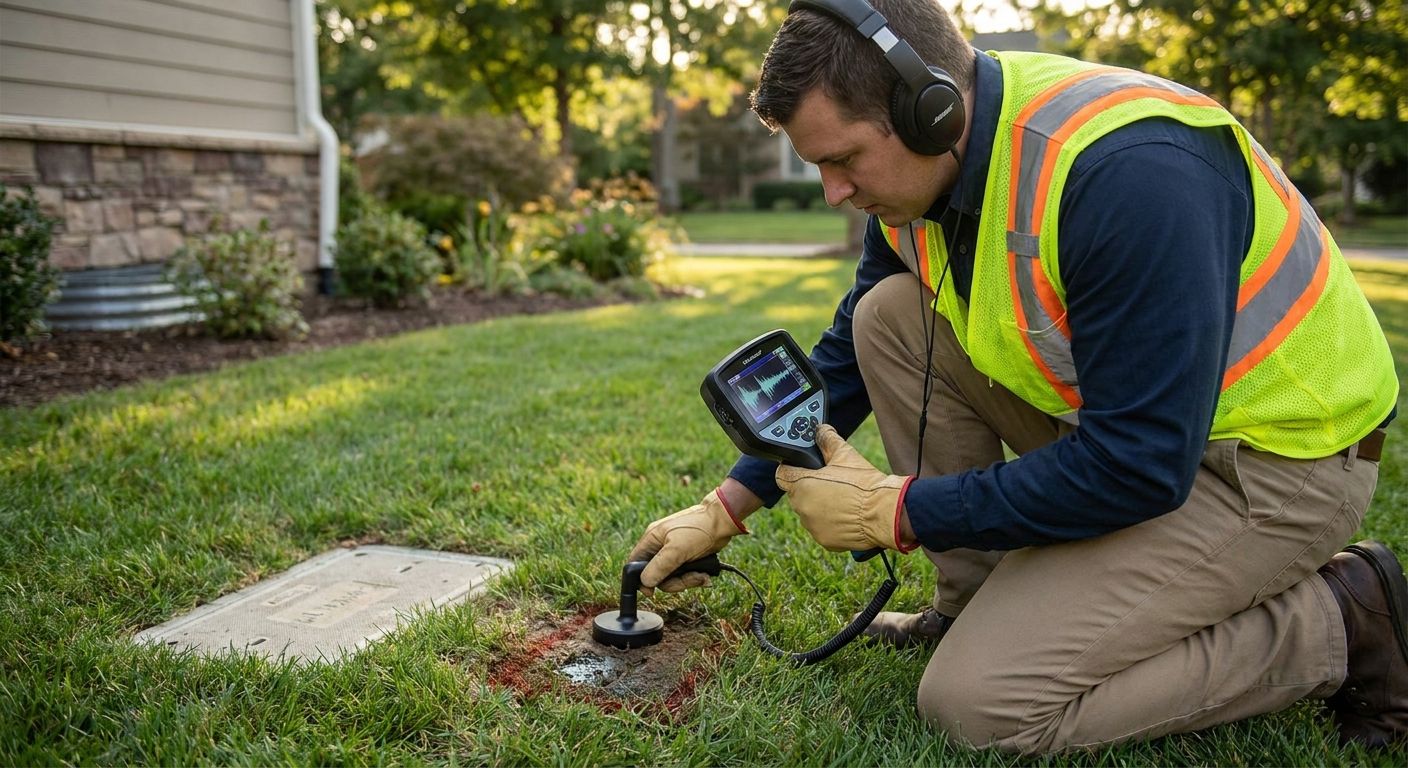
- Video camera inspection before winter 2026 catches root intrusion or bellied pipe before cold makes it worse.
- Statewide Sewer & Drain runs hydro jetting and camera work across Middlesex, Monmouth, Ocean, and Union counties.
Why this matters
Pipes don't usually freeze because of cold air alone. They freeze because water sits still inside a pipe that's already partly blocked or poorly insulated, and standing water freezes faster than moving water. A slow bathroom sink or a sluggish main line in October becomes a frozen, split pipe by January.
Cold snaps in New Jersey routinely push overnight lows into the teens across Middlesex, Monmouth, Ocean, and Union counties. Statewide Sewer & Drain sees the same pattern every winter: homeowners who ignored a slow drain in the fall end up calling for emergency service when that same line freezes solid or backs up into the house.
The fix is cheap in October. It's expensive in January.
How to prepare your home drains before winter freeze
Work through these in order. Each one addresses a different failure point, and skipping steps still leaves a gap.
- Clear every slow drain first. A bathroom sink, tub, or kitchen line that drains slowly is already holding water inside the pipe. That standing water is the first thing to freeze and expand. If you've got a slow bathroom sink drain, clear it in the fall, not after the first freeze warning.
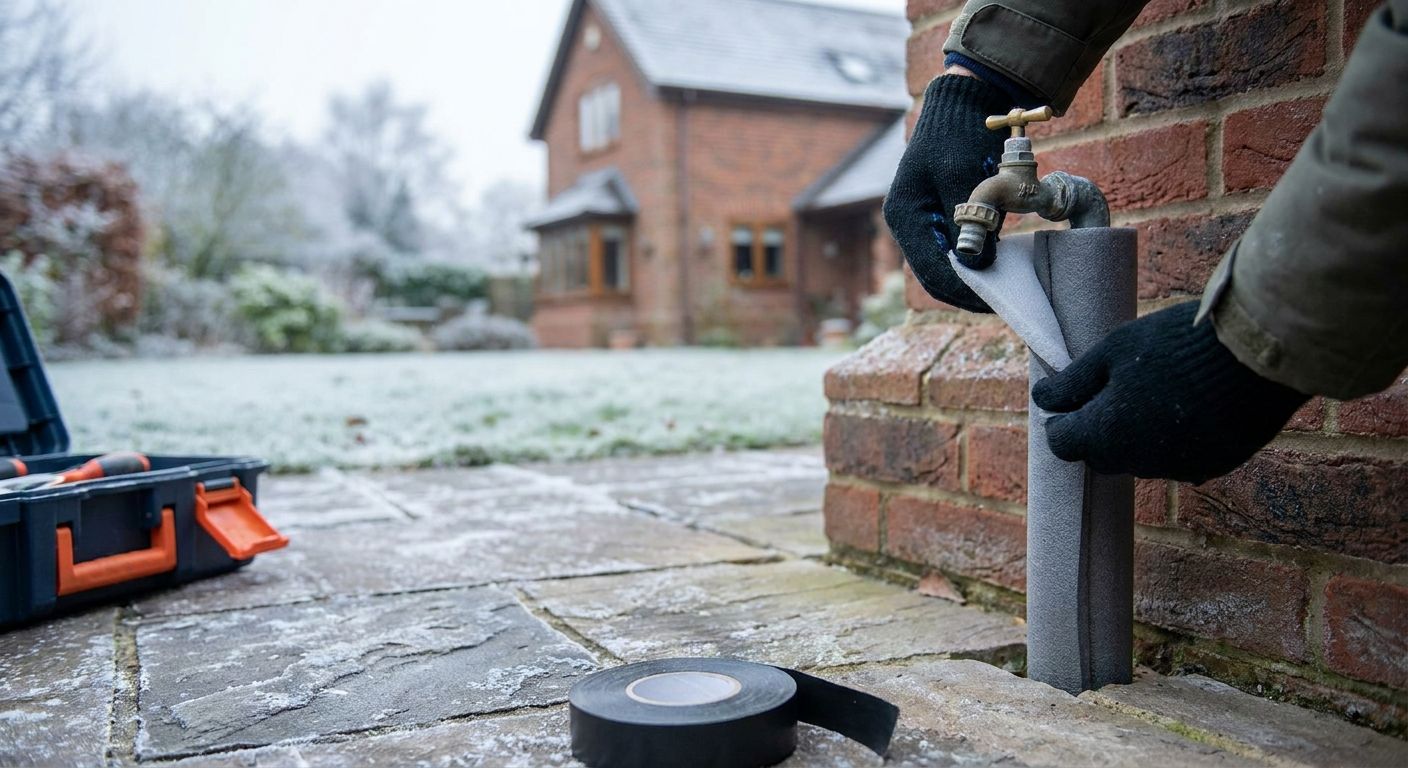
- Disconnect and drain outdoor hoses. Water left in a garden hose backs pressure into the outdoor spigot and the pipe behind it. Disconnect, drain, and store hoses before the first freeze watch of the season.
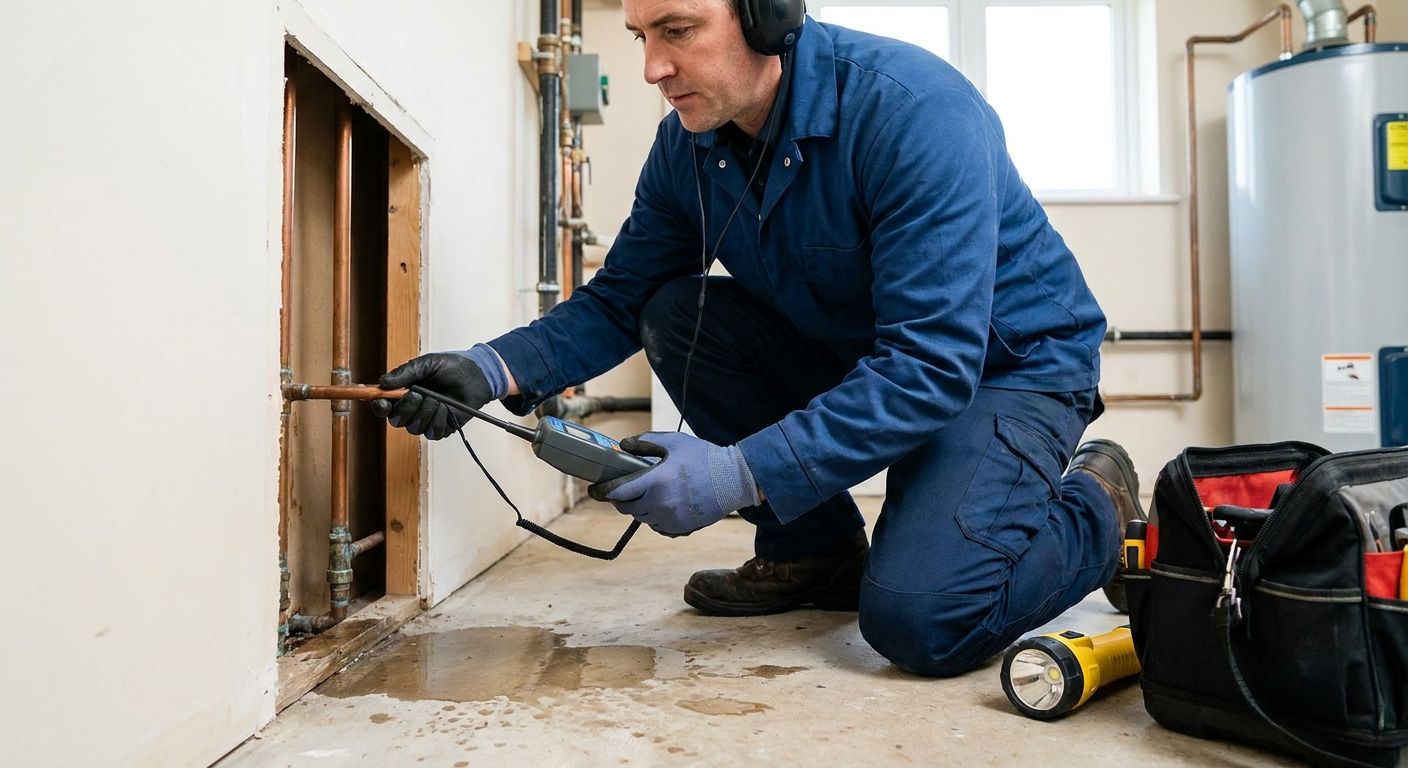
- Insulate exposed pipe. Any pipe running through an unheated crawlspace, garage, or exterior wall needs foam sleeve insulation or heat tape before temperatures drop. This is the most common gap homeowners miss.
- Test the sump pump. Pour a bucket of water into the sump pit and watch it cycle. A pump that fails during a winter thaw-and-freeze cycle floods a basement fast. Sump pump installation is worth scheduling now if the unit is older or hasn't been tested since spring.
- Know your main shutoff valve. If a pipe splits, the difference between minor water damage and a flooded basement is how fast someone shuts off the water. Locate it and confirm it turns before winter 2026, not during an emergency.
Outdoor and exterior drain prep
Exterior drains and catch basins take a different kind of damage in winter. Leaves and debris that clog an outdoor drain in November trap water that then freezes and expands inside the drain body, cracking grates and fittings.
- Clear leaf litter and debris from every exterior drain grate before November.
- Check that grading around the foundation still slopes water away from the house.
- Confirm downspouts empty several feet from the foundation, not into a saturated bed.
Indoor pipe and drain prep
Interior lines fail less often than exterior ones, but unheated basements, crawlspaces, and garages still carry real risk.
- Open cabinet doors under sinks on exterior walls during a hard freeze so warm air reaches the pipe.
- Keep the house heated to at least 55°F even when nobody's home for an extended stretch.
- Address a sluggish main sewer line before winter, since a partially blocked main backs up worse once ground temperatures drop.
Why freeze damage varies house to house
Not every home fails the same way in the same cold snap. The variables that matter:
- Pipe age and material. Older cast iron and older PVC crack differently than newer PEX under freeze-expansion stress.
- Insulation quality in unheated spaces. A crawlspace with gaps in the insulation loses heat fast.
- Existing partial blockages. Tree roots, grease buildup, or scale narrow a pipe and slow flow, which raises freeze risk even in a heated home.
- How long the home sits unoccupied. Vacant homes lose interior heat quickly during a cold snap if the thermostat isn't monitored.
- Burial depth versus the local frost line. Shallow-buried exterior lines freeze faster than lines set below the regional frost line.
- Drainage around the foundation. Poor grading keeps water pooled where it can freeze against exterior drain fittings.
Get drains checked before the freeze
Camera inspection and hydro jetting clear slow lines before winter 2026 makes them worse.
Do drain pipes freeze underground in New Jersey?
Yes, drain pipes freeze underground when they sit above the local frost line or run through a shallow, uninsulated trench. Deeper municipal sewer mains rarely freeze because they're buried below the frost line, but shallow laterals and exposed cleanout pipes stay at risk during extended cold.
How cold does it have to get before pipes freeze?
Freeze risk rises once outdoor temperatures hold below 20°F for several hours, particularly for pipe in unheated or exterior-facing spaces. Interior pipe running through heated living space rarely freezes even in single-digit weather, which is why insulating the unheated zones matters more than the outdoor number alone.
Should I let water drip to prevent frozen pipes?
A slow drip keeps water moving through the pipe, which lowers freeze risk on nights with an extended hard freeze warning. It only helps if the drain on the other end is clear — a dripping faucet feeding a slow or clogged drain just adds to the standing water problem.
Is it too late to winterize once a freeze warning is out?
No, but the options narrow. Disconnecting hoses and opening cabinet doors under sink pipes still help same-day, while insulating pipe and clearing a slow drain line take lead time and belong in the fall, not the night before.
FAQ
What is the best way to winterize home drains before winter?
Clear every slow drain, disconnect outdoor hoses, insulate exposed pipe, test the sump pump, and confirm the main shutoff valve works, in that order. Doing this in October or November beats scrambling once a hard freeze warning is already out.
Do drain pipes freeze underground?
Shallow exterior lines and cleanouts above the local frost line can freeze during extended cold snaps. Municipal sewer mains buried below the frost line rarely freeze.
How cold does it need to be for pipes to freeze?
Freeze risk rises once temperatures hold below 20°F for several hours, especially in unheated crawlspaces, garages, or exterior walls. Interior pipe in heated space is far less likely to freeze at the same outdoor temperature.
Is hydro jetting safe to do before winter?
Yes, hydro jetting is a normal fall maintenance step. It clears grease, scale, and root intrusion that would otherwise slow drainage and raise freeze risk once temperatures drop.
Does a slow drain make freeze damage worse?
Yes, a slow drain holds standing water inside the pipe, and standing water is the first thing to freeze and expand. Clearing slow drains before winter removes that risk.
Do sump pumps need to be checked before winter?
Yes, testing a sump pump before winter catches failures before a thaw-and-freeze cycle floods a basement. Pour a bucket of water into the pit and confirm the pump cycles on and off.
What should I do if a drain freezes anyway?
Shut off water to the affected fixture if there is any sign of a split pipe, then call a licensed plumber for camera inspection. Applying direct heat to a frozen pipe can crack it further.
How often should home drains be cleaned before winter?
Once a year in the fall is the standard interval for most homes. Go more often for houses with older cast iron pipe, known root intrusion, or a history of slow drains.
One last thing
The drain that clogs in January almost always started slowing down in September, and most homeowners wait for the smell or the gurgle before doing anything. A camera inspection before the first freeze warning of 2026 costs far less than an emergency call after a pipe splits, and it shows exactly where the weak point sits instead of leaving you to guess.